
The watch that saved three lives
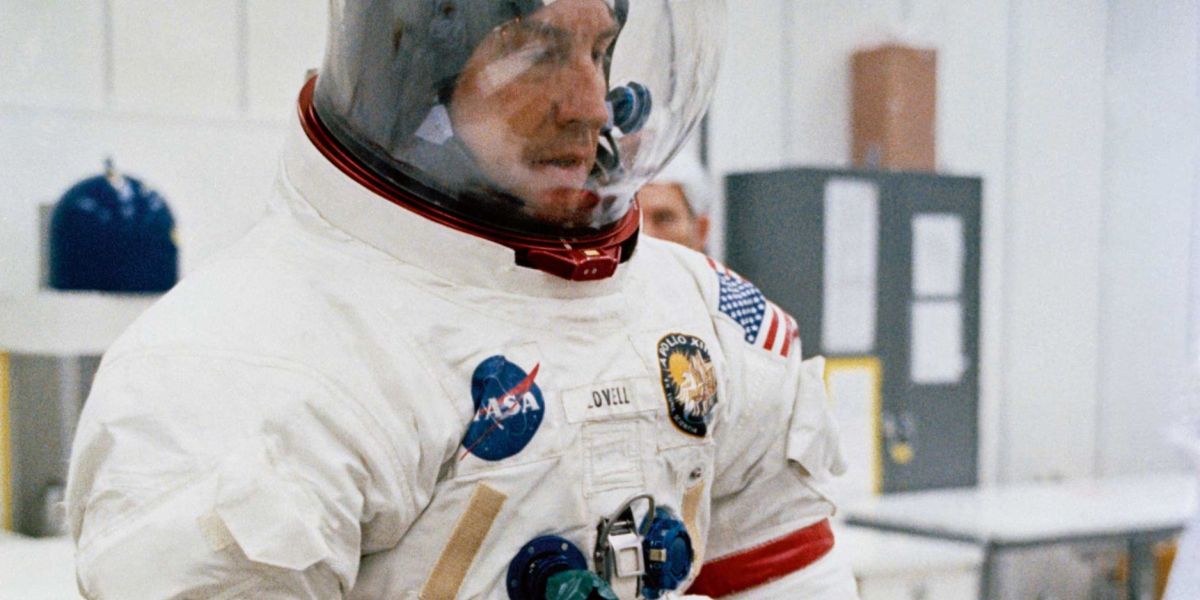
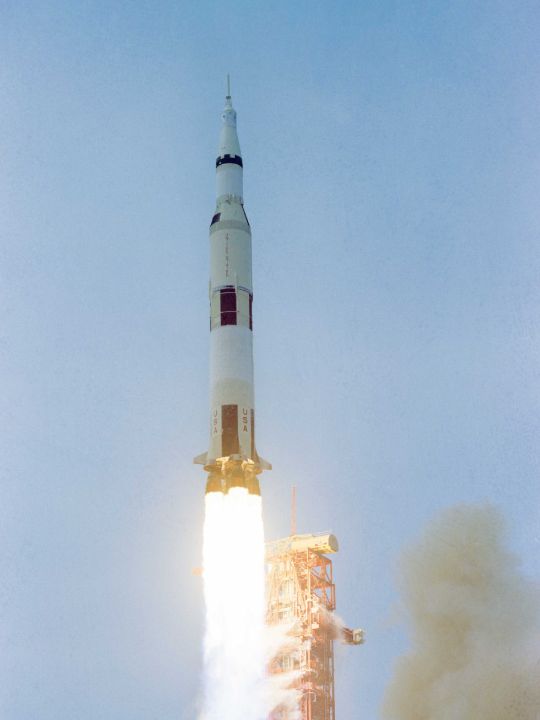
You may have watched the thrilling recounting of the mission of Apollo 13 in a movie, around the space drama that happened on the 11th April 1970 in space. The real drama was indeed every inch and perhaps even more dramatic than the movie portrayed. Apollo 13 was supposed to be the third moon landing by NASA, the entire world was glued to their TV screen as they watched the live telecast of the launch of the spacecraft which carried Command Module Pilot Jack Swigert, Lunar Module Pilot Fred Haise and the veteran commander of the crew James Lovell to their destination, the moon. An unexpected thing happened, shortly after entering the second-day post launched, Apollo 13 suffered a major problem, an oxygen tank exploded on board. It plunged the entire crew into a dangerous situation, the mission to the moon was abandoned, and instead, both the ground crew and astronauts in the spacecraft set about urgently trying to think of how to return to Earth safely. Several days later were spent coming up with a solution to the situation which is getting worst by the day.
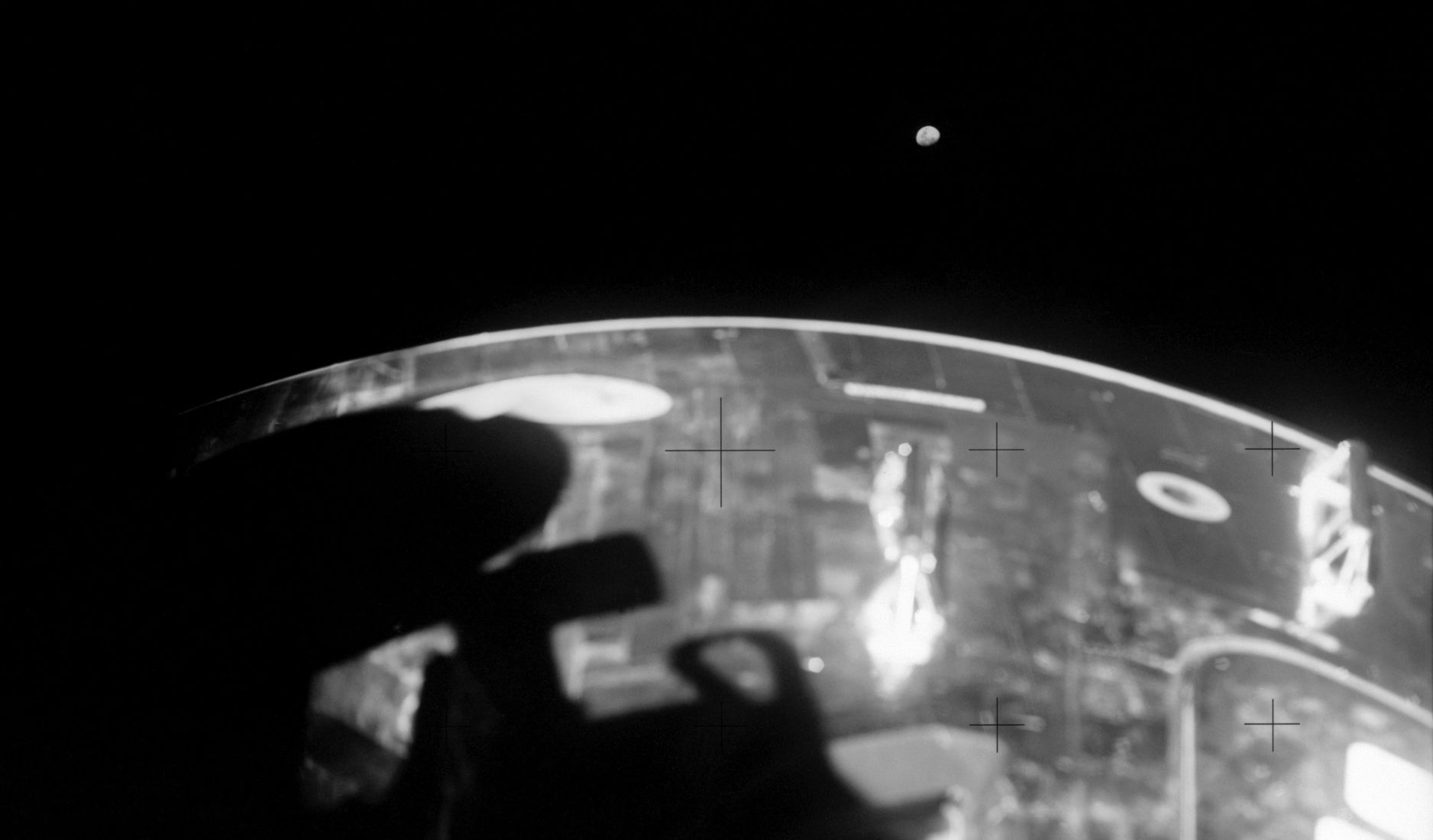
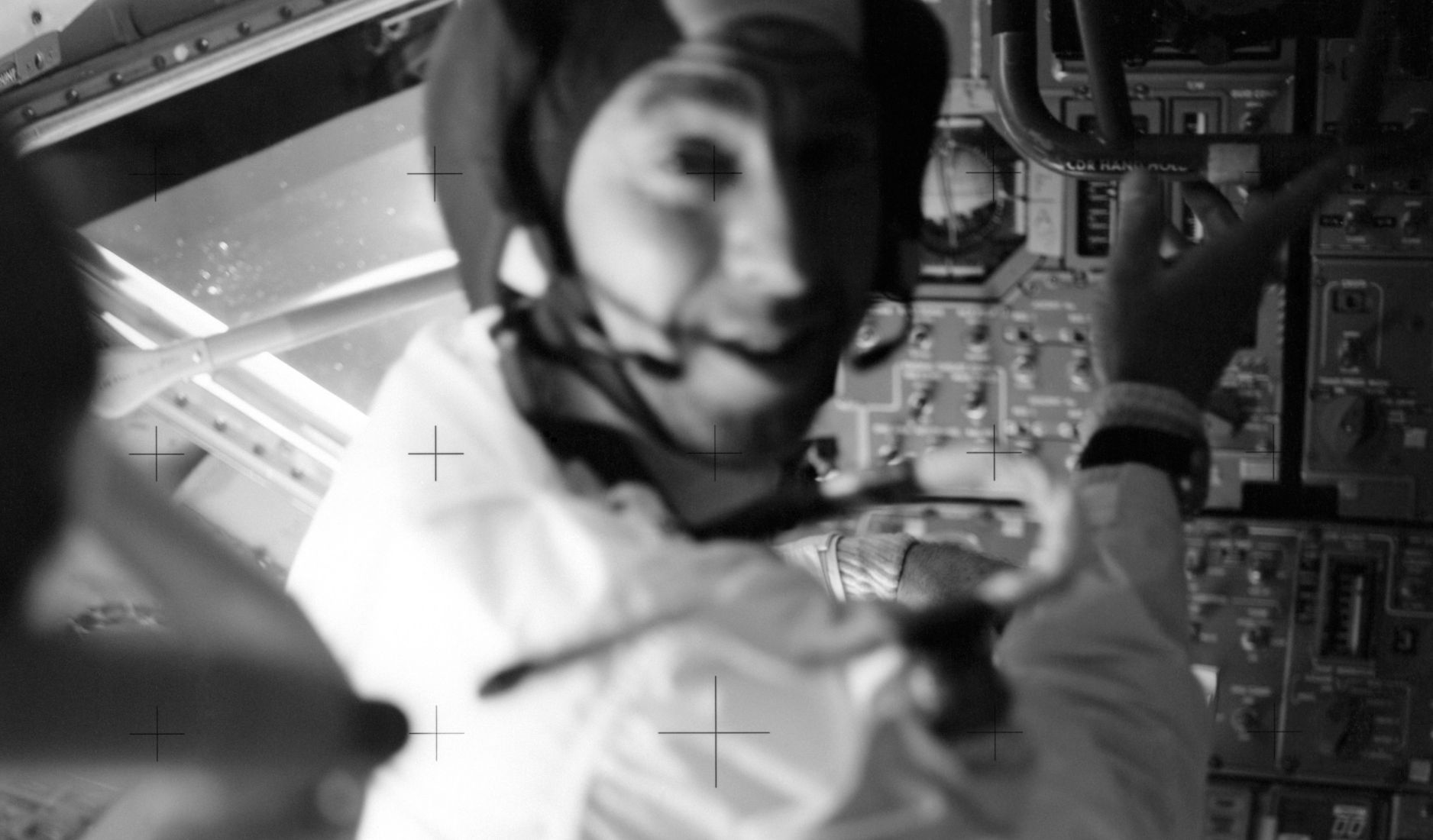
Over those several days, the craft drifted 60n to 80 nautical miles off course, and precision timing and calculations were required to get the precise angle for re-entry into Earth’s atmosphere. The astronauts were then moved into the tiny lunar module and to conserve energy and oxygen supplies they have to shut down all power supplies. Everything was to be done manually, including readjusting the course of the craft with exactly 14-second fuel burn, and there is no second chance, so everything has to be down to the last micron and milli-seconds precision, timing is of course, everything. Without the digital equipment they need to rely on their backup equipment which NASA has specifically chosen for a situation like this, the Omega Speedmaster Chronograph was that backup plan. Jack Swigert’s Omega was used instead to time the burn as Lovell guide the craft manually using the Earth’s horizon as a guide, and with the precision from the iconic timepiece and excellent skill of Lovell they managed to get back to Earth safely!
A quote from James Ragan, a NASA test engineer on the Omega Speedmaster in 1964, “The watch was a critical backup. If the astronauts ever lost the capability of talking to the ground, or the capability of their digital timers, the only thing they would have to rely on would be the watches always on their wrists. It needed to be there for them if they had a problem.” The watch was put to the test in real time and excelled brilliantly.
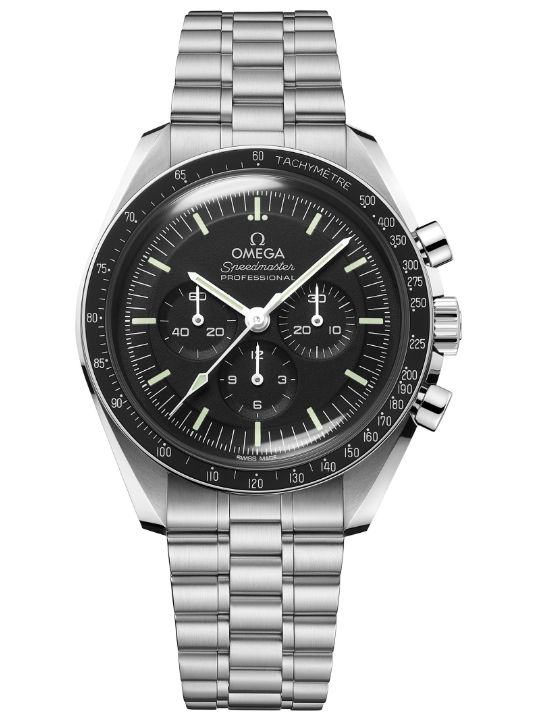
From this one near-disastrous mission, the three lives were safe with the hard work of the scientists and one small all-vital equipment where all lives on board the craft depended on came through with flying colours, a heroic deed that Omega Speedmaster Professional Chronograph had performed and immediately transcended into the status of a Legend amongst the horology tools out there, even today. Let’s celebrate the Omega’s crucial precision 14 seconds that helped save the crew of Apollo 13, that act in itself is legendary.
