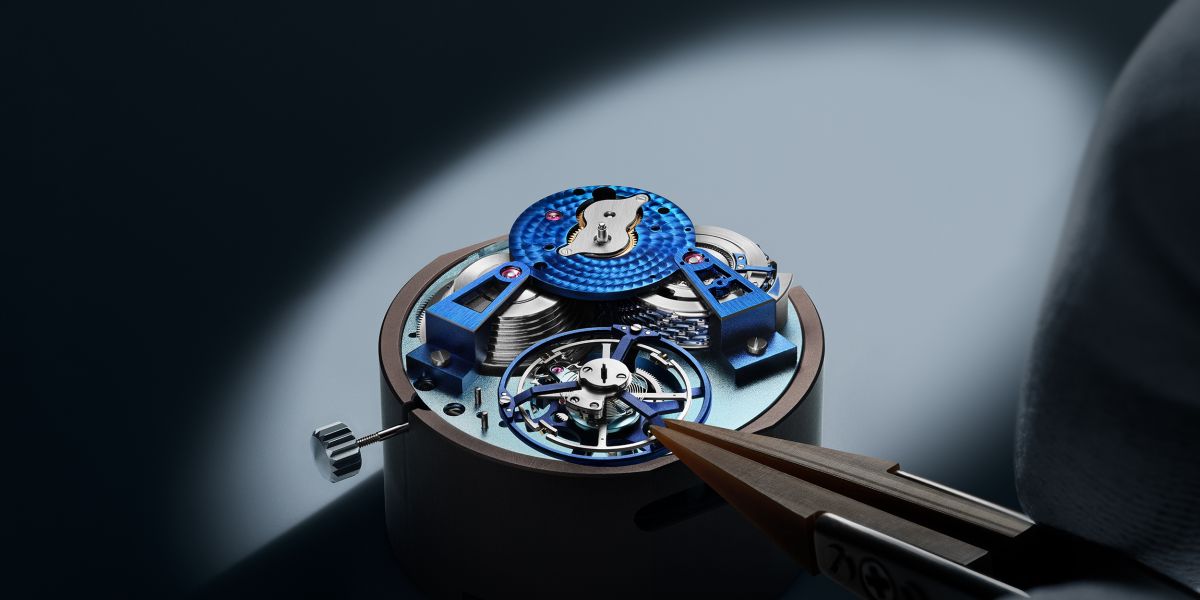

Long before it became a symbol of haute horlogerie, the tourbillon was conceived as an elegant answer to one of watchmaking’s greatest challenges. 225 years after Abraham-Louis Breguet secured its patent, this creation continues to define the pursuit of mechanical precision.

For all the remarkable complications to emerge over centuries of watchmaking, few have enjoyed the enduring influence of the tourbillon. For most collectors, it immediately conjures the mesmerising rotation of its cage, proudly displayed on the dial as one of haute horlogerie’s defining visual signatures. Yet when Abraham-Louis Breguet conceived the mechanism more than two centuries ago, spectacle was never the objective.
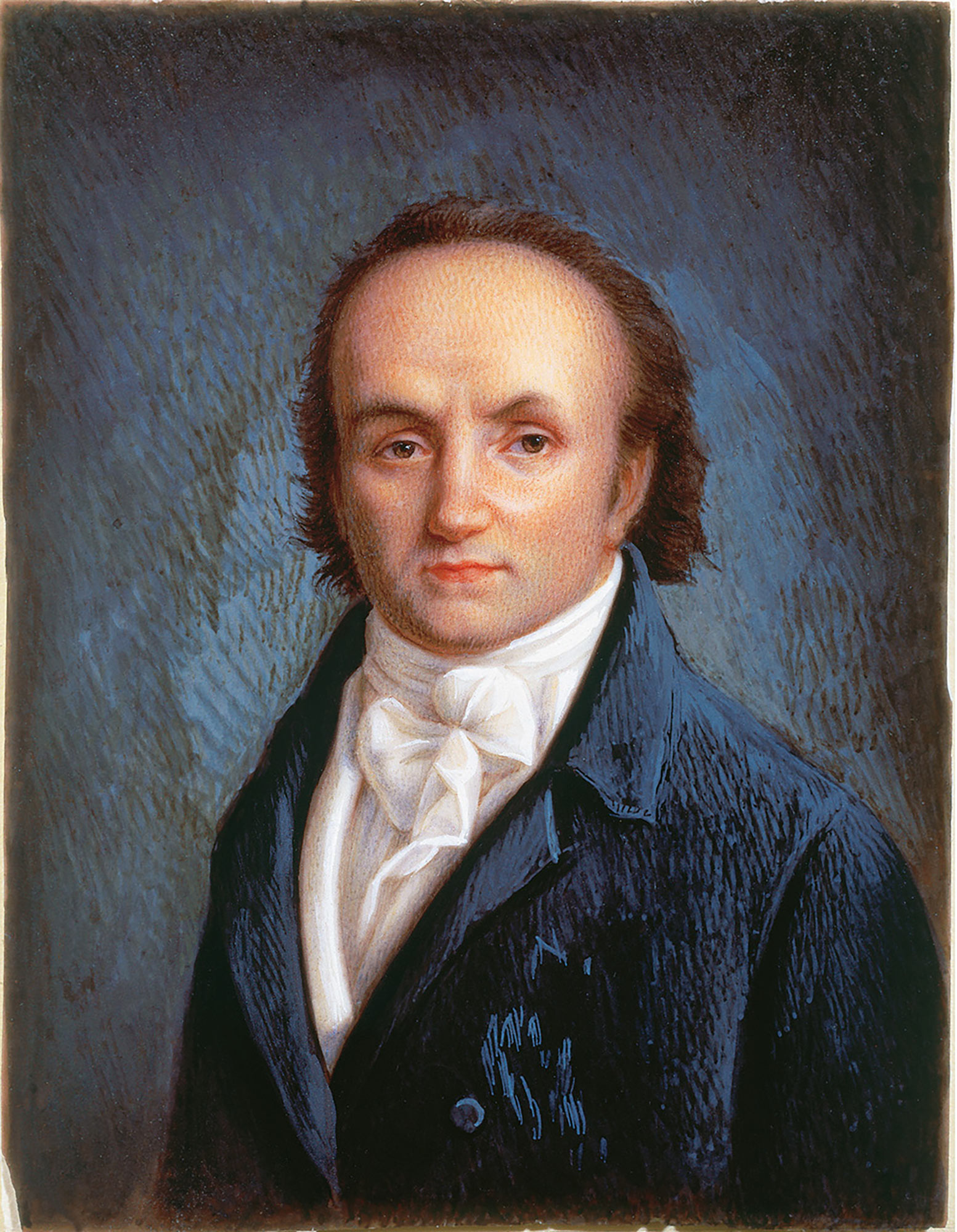
Its story begins during one of history’s most turbulent periods. As the French Revolution unfolded in 1793, A-L Breguet left Paris for Switzerland, where the interruption to his work proved unexpectedly productive. Returning to Paris in 1795, he unveiled a succession of inventions, including the Souscription watch, the tactile À Tact watch, a constant-force escapement, and, ultimately, the tourbillon. On 26 June 1801, he was granted the patent that marks its 225th anniversary this year.
A Scientific Pursuit
The invention emerged at a time when precision had become one of Europe’s great scientific pursuits. Astronomers relied on increasingly accurate instruments to chart the heavens, navigation depended on reliable timekeeping to determine longitude, while watchmakers competed to eliminate ever smaller deviations in rate. Unlike many of his contemporaries, A-L Breguet combined exceptional craftsmanship with a deep understanding of mathematics, physics, and astronomy, approaching mechanical limitations as engineering problems waiting to be solved.
One of those problems was gravity.
Pocket watches spent much of their lives suspended vertically inside waistcoat pockets. In that position, gravity exerted an uneven influence on the balance wheel and hairspring, producing subtle but measurable errors in timekeeping.
Turning Against Gravity
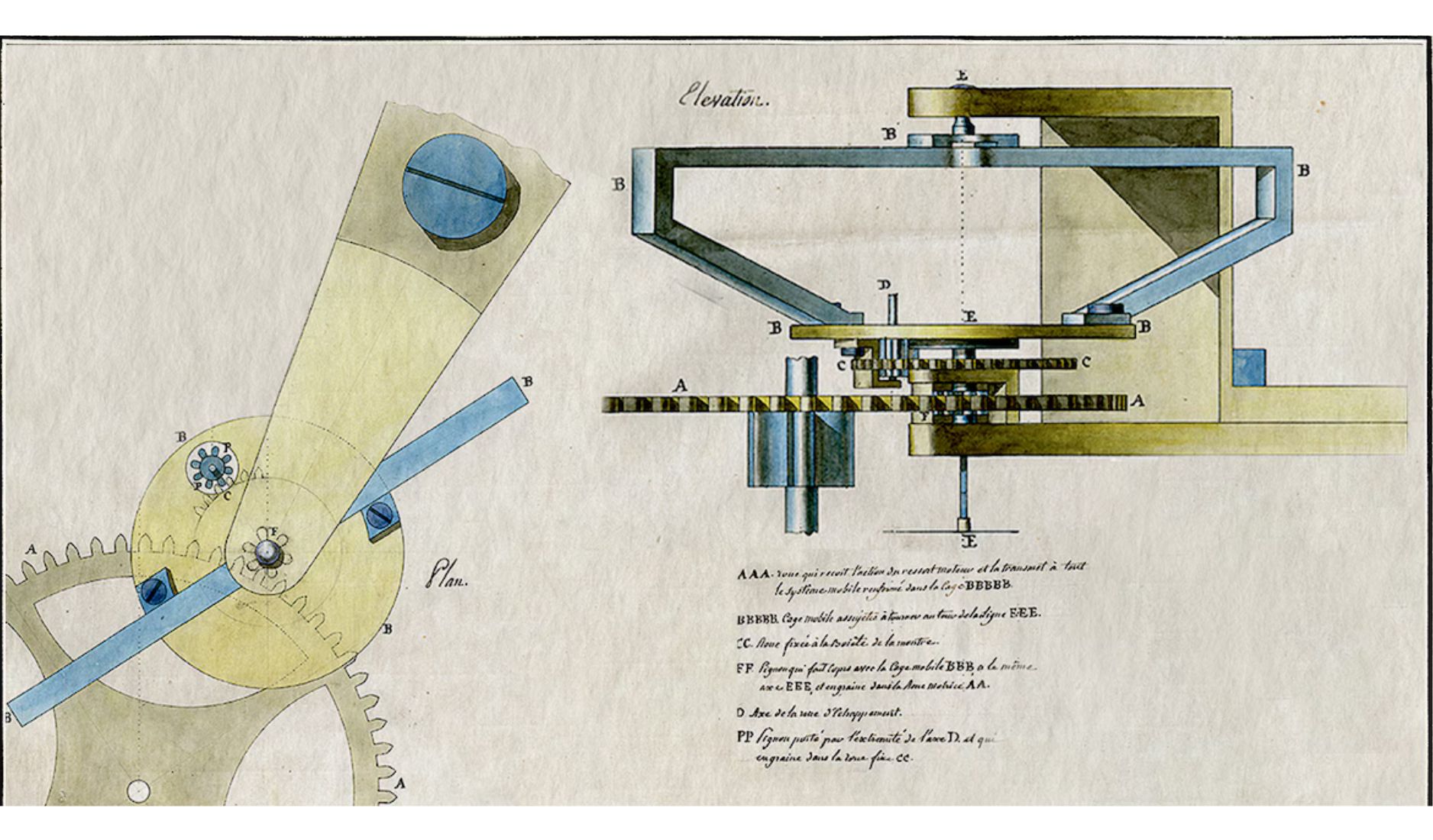
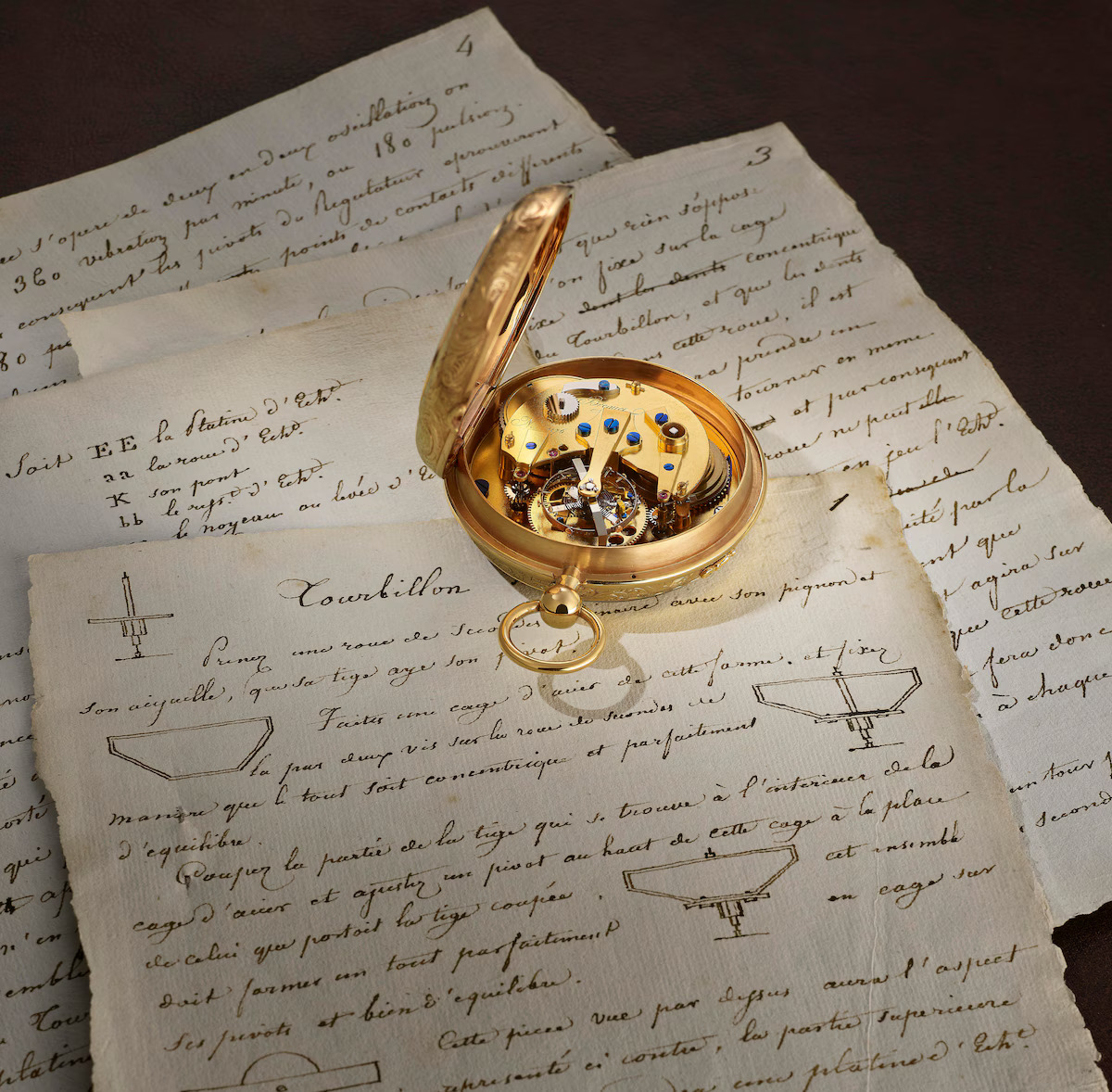
Rather than attempting to overcome gravity, A-L Breguet sought to neutralise its effects. By placing the escapement, balance wheel, and hairspring inside a rotating cage, positional errors could be averaged rather than accumulated, improving the watch’s rate across the different vertical positions encountered during everyday use.
Although deceptively simple in principle, the mechanism demanded years of refinement. Despite receiving the patent in 1801, completed tourbillons did not reach clients until several years later. During A-L Breguet’s lifetime, only around 40 were produced. In his own classification, they belonged not to civilian watchmaking but to the realm of scientific instruments. Recent archival research even suggests
that around a quarter were used for navigation at sea, while others accompanied explorers or found their way into the hands of leading scientists.
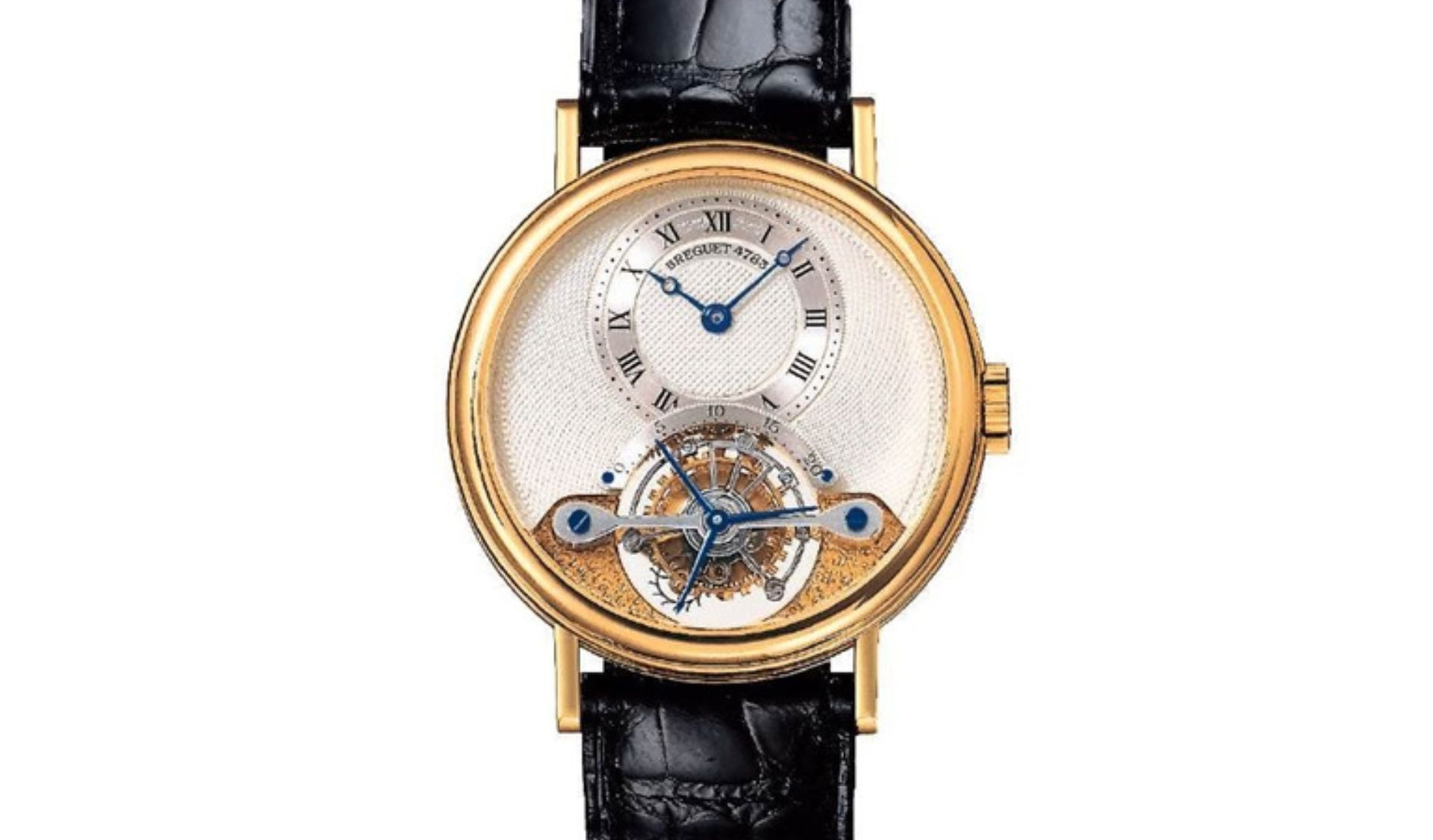
From Precision to Prestige
Unlike pocket watches, wristwatches are constantly changing position, naturally reducing many of the errors A-L Breguet sought to overcome. More than two centuries later, the tourbillon’s original purpose has become less essential – especially in an era where electronic timekeeping has made extraordinary precision commonplace. Advances in materials, manufacturing, and regulating systems have further improved chronometric performance without necessarily requiring a tourbillon.
Yet the tourbillon’s importance today extends well beyond precision. It has become one of watchmaking’s purest demonstrations of mechanical ingenuity, demanding extraordinary skill in design, assembly, and finishing. Virtually every major haute horlogerie manufacture has developed its own interpretation, yet every one traces its lineage back to the patent filed in Paris on 26 June 1801.
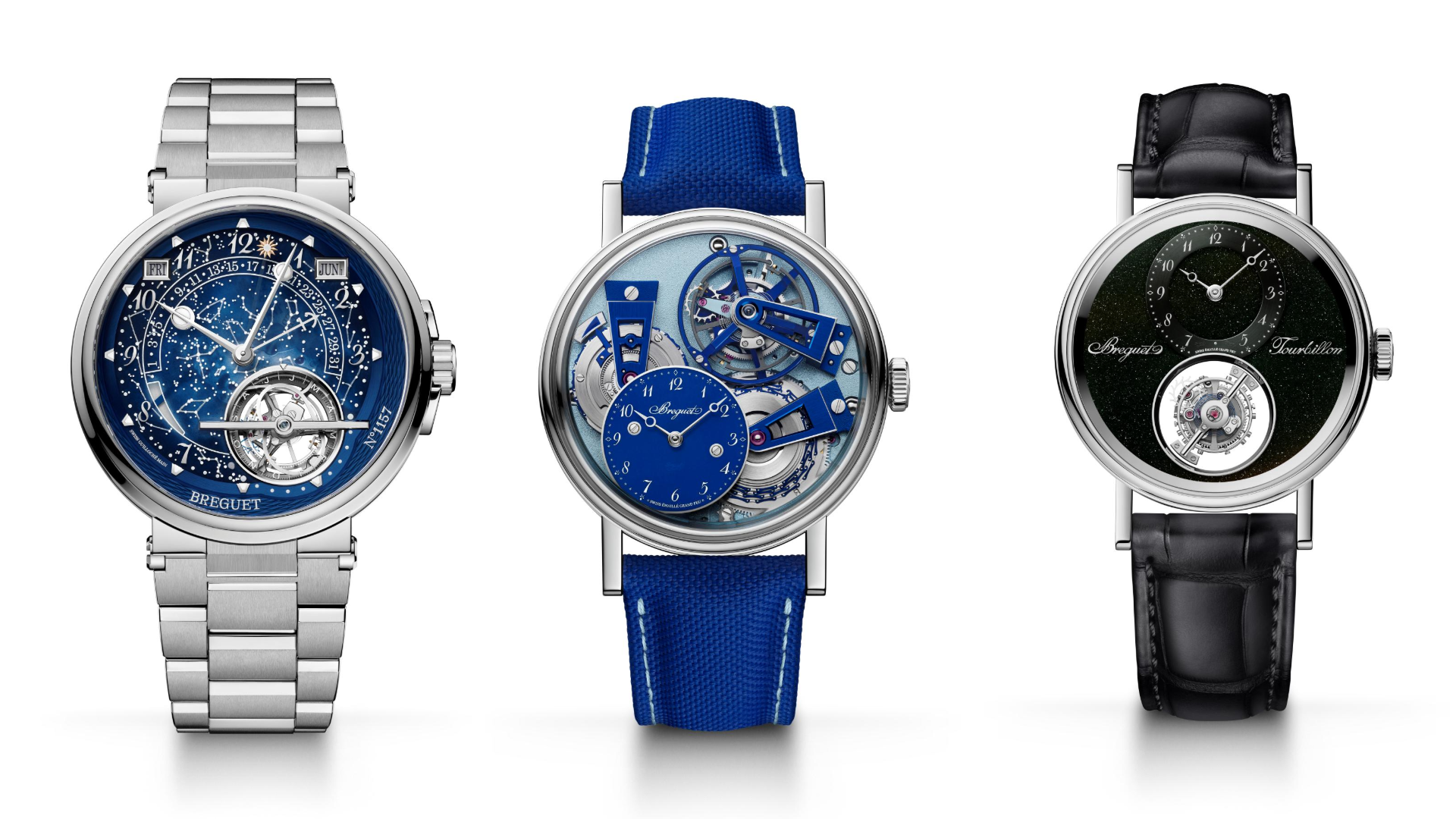
Breguet’s 225th anniversary tribute extends well beyond a single timepiece. From the Marine Tourbillon Équation Marchante (left, limited edition of 25 pieces), whose luminous dial recreates the night sky above Paris on 26 June 1801, to the Tradition Tourbillon 7047 (centre, limited edition of 25 pieces), uniting A-L Breguet’s tourbillon with Leonardo da Vinci’s fusee-and-chain transmission, and the Classique Tourbillon Sidéral 7255 (right, limited edition of 50 pieces), featuring the Manufacture’s first mysterious flying tourbillon in platinum, each offers a distinct perspective on one of watchmaking’s most influential inventions while honouring its enduring pursuit of precision.
Honouring the Trailblazer
To commemorate the 225th anniversary of that historic patent, Breguet has unveiled a series of timepieces that revisit its most celebrated invention through different lenses. They range from the new Classique Tourbillon 7357, paying tribute to the Manufacture’s landmark 1989 tourbillon wristwatch, to interpretations exploring the flying tourbillon, fusee-and-chain transmission, marine chronometry, and the brand’s latest experimental magnetic escapement. Together, they demonstrate that while the tourbillon has evolved from a practical solution to a symbol of haute horlogerie, the pursuit that inspired it remains unchanged: the relentless quest for precision that first drove A-L Breguet more than 225 years ago.
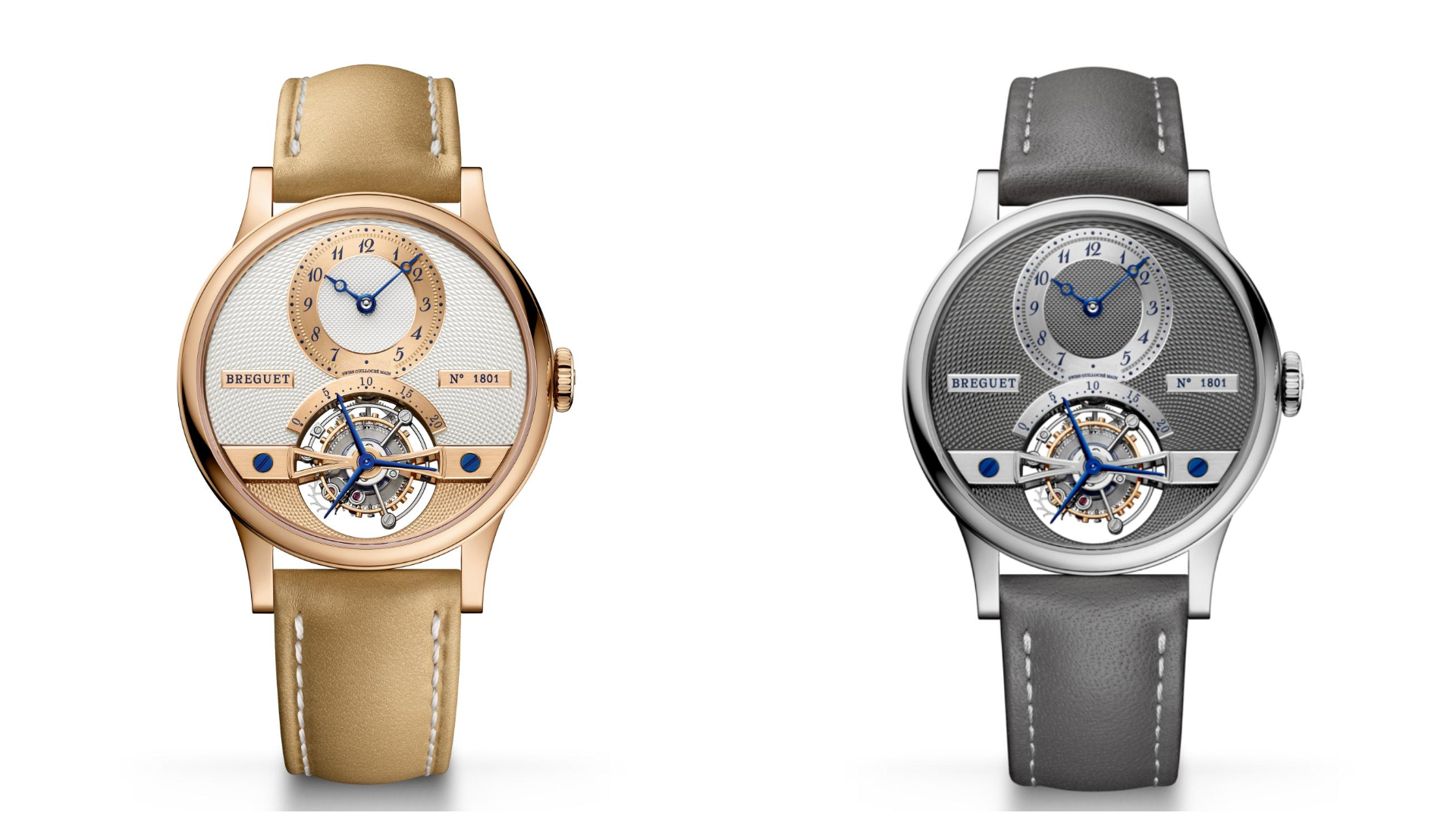
The new Classique Tourbillon 7357 pays tribute to Breguet’s landmark Ref. 3350, the Manufacture’s first contemporary tourbillon wristwatch introduced in 1989. Offered in Breguet gold (left) and platinum (right), both versions pair traditional barleycorn and Clous de Paris guilloché with the new manually wound Calibre 187B.
{youtubesub)
