
The uber icon of the Omega family has once again come into focus
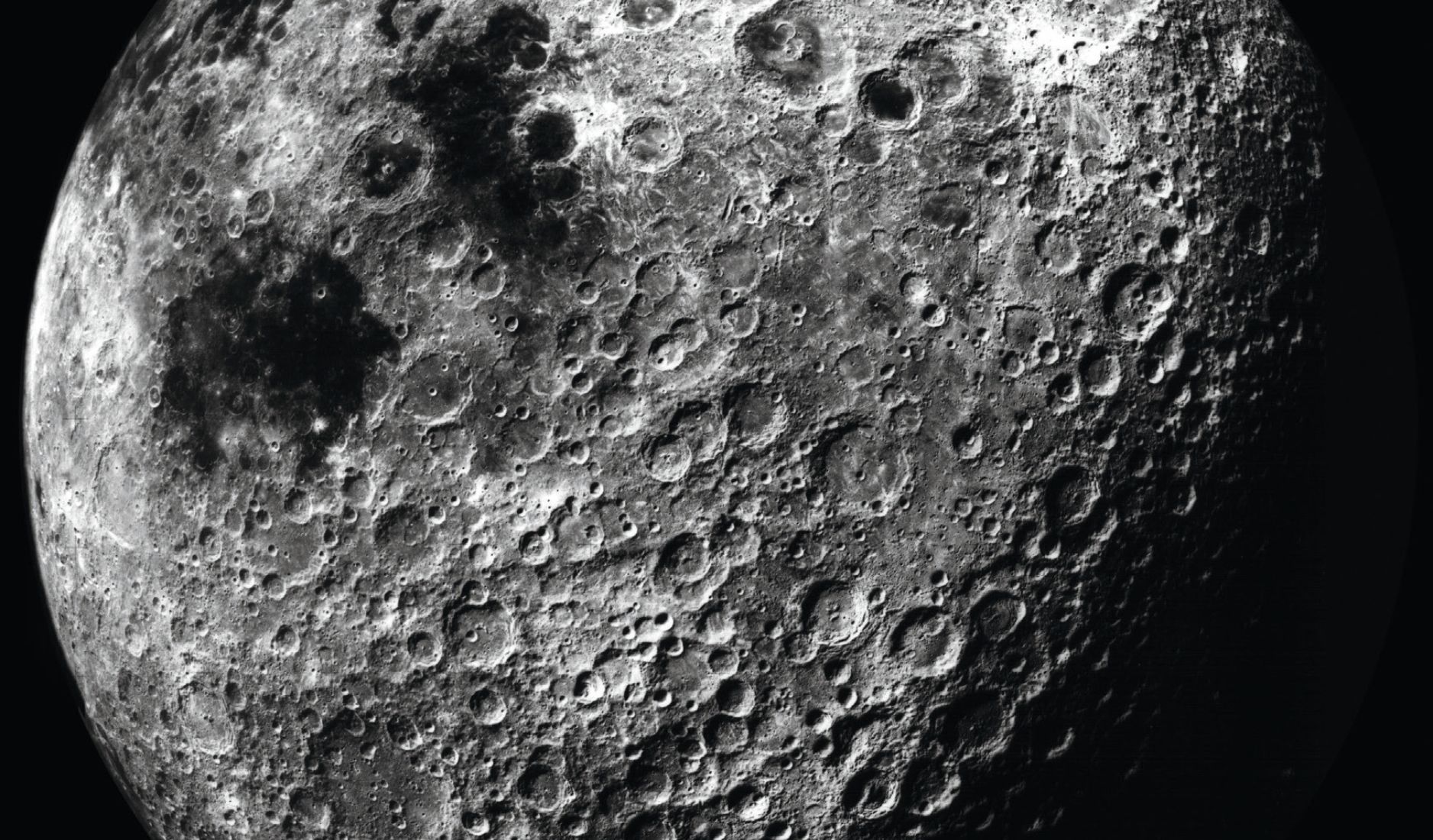
Over the last decade, the subject of space exploration has once again sparked our imagination, a subject that was dormant after the end of the first ‘Cold War’, which started the moon race. In recent years, the Chinese Space Agency and its ambitions and accomplishments have reignited the US interest in its space programme and its various space agencies, and this time round we are joined by two new players in the Space race, India and Japan, as we enter another ‘Cold War’.
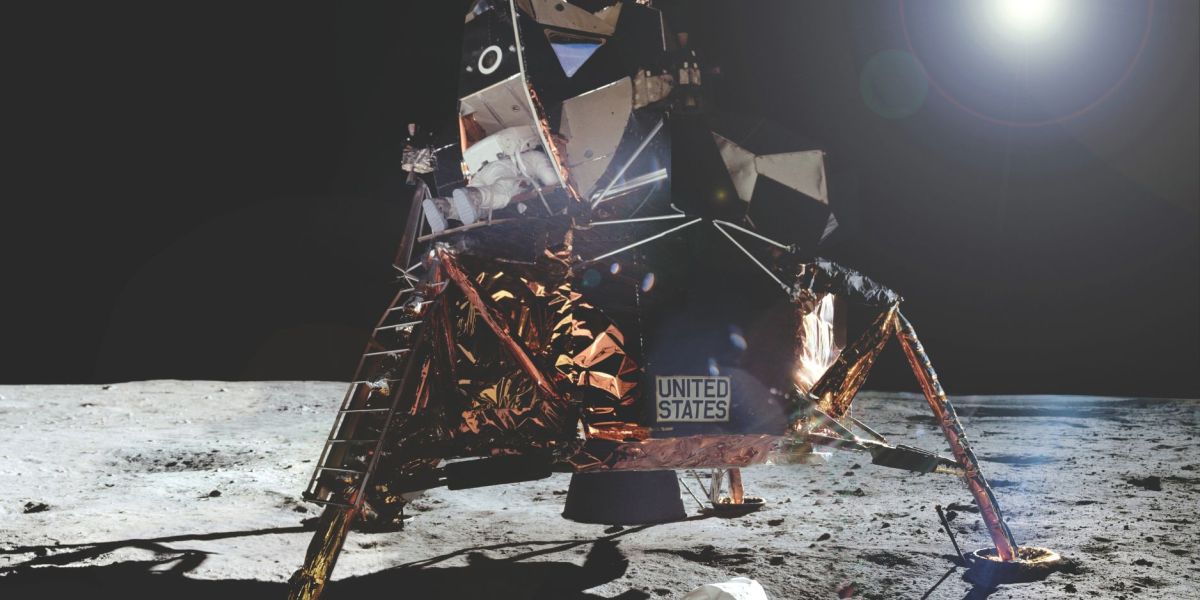
With this widespread interest in the space race, it is only appropriate that Omega should also join the subject of great interest. Omega may not be the first watch in space, but it was the very first watch to make it onto the moon in 1969, worn by both Neil Armstrong and Buzz Aldrin, and that alone bears the greatest and the ultimate prestige, as it was the only watch approved by NASA for their space programme. The Omega Speedmaster Professional Series had overnight become a sensation from a humble Chronograph watch. Since then, it has been the watch that any decent watch connoisseur and collector should have in their collection, and every boy’s dream of owning one as much as he dreams of being an astronaut himself. And that sentiment still rings true until today.

It all started in 1957, when Omega decided to revamp its growing family and introduce a bonanza of triple collection of the “Professional” series, that is the Seamaster, Railmaster and last but not the least, the Speedmaster. These three new pillars set the tone of the new era coming out of WWII and into the new industrial age of technology, and the watches were a perfect representation of the modern time, where wristwatches became a practical tool, and the workforce had gone through a drastic change, and productivity in all aspects of the newly defined modern life hit all the right notes across the world.
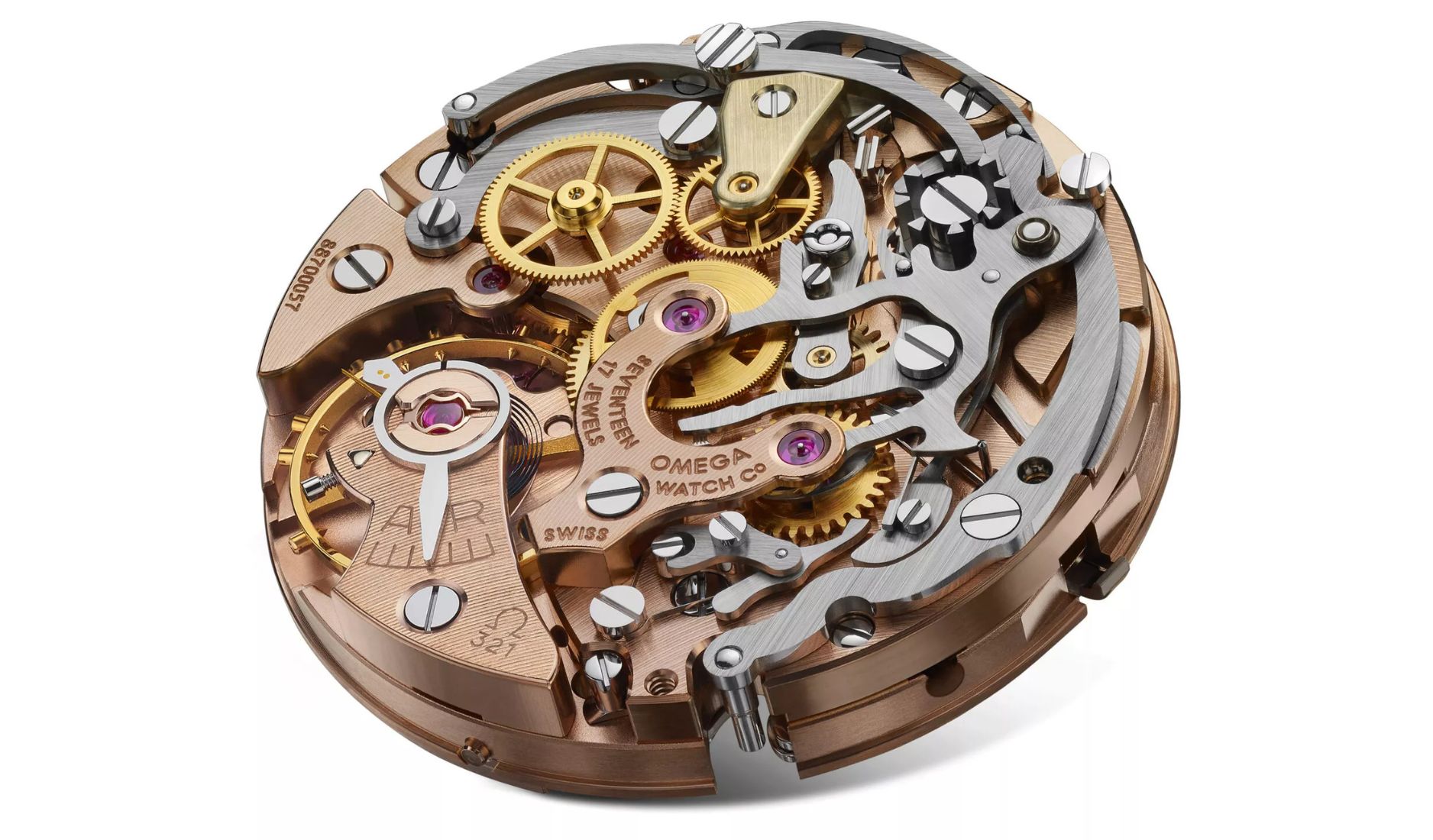
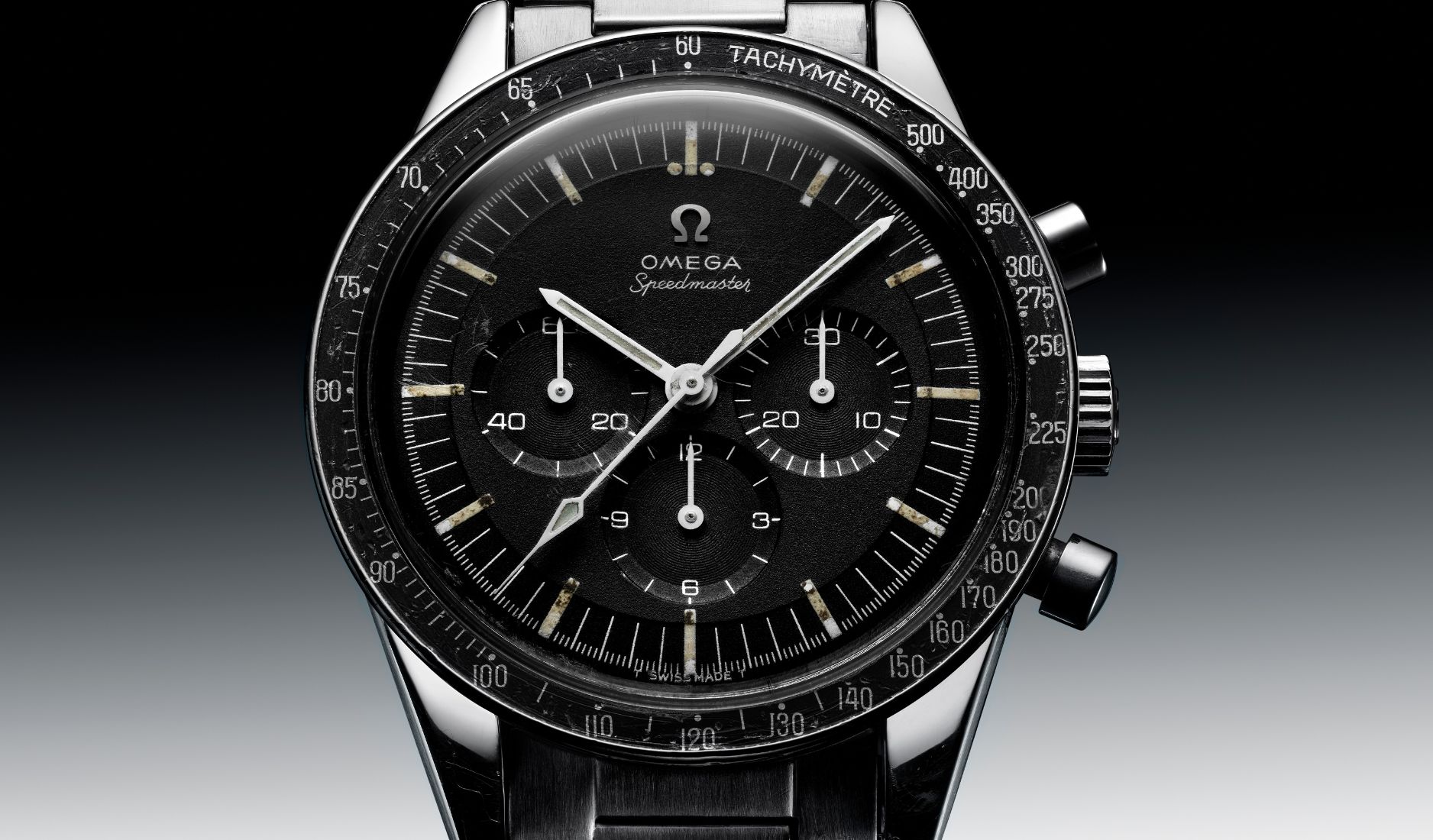
The Speedmaster ref. CK 2915 was born out of our mundane human desire for sporty activities, like speed, something more grounded, before lofty desires came into the picture. A need to time the velocity down to the last second or fraction of a second, especially for car racing. The watch was powered by a manual-wound Calibre 321 based on the Lemania 2310 with the highly desirable column-wheel mechanism. It has a tachymetric-scale bezel on the outside of the dial, and it was the first watch ever to have one.

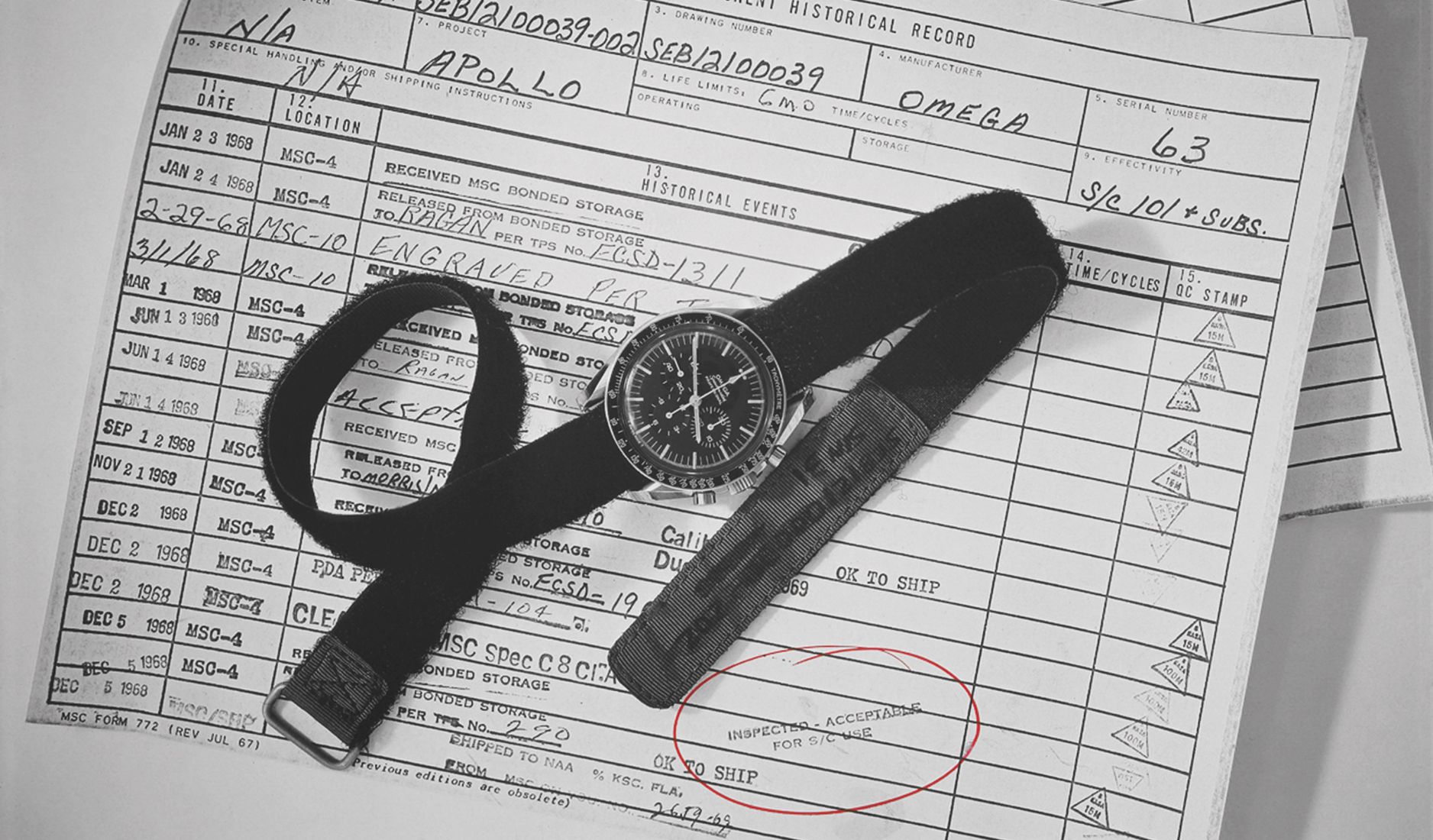
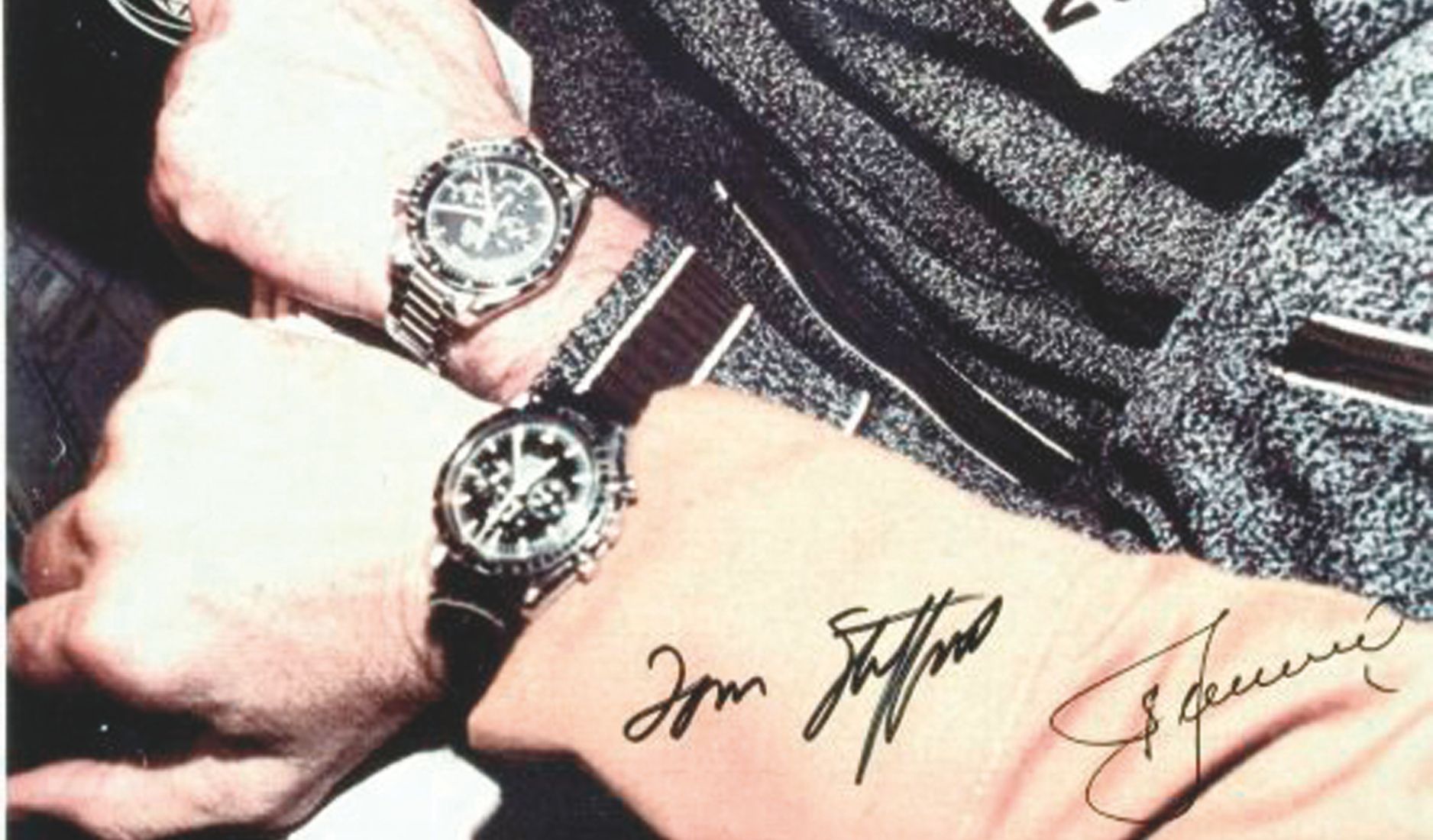
In 1959, the Speedmaster went through a revision; new ‘Alpha’ hands were introduced, and it acquired a black aluminium version in the ref. CK 2998, which is still in use today. The watch was picked up by Walter M. Schirra and also Leroy G. Cooper as their private purchases, and it became the first Omega Speedmaster worn in space with the ideal shatterproof Hesalite crystal. Two years later, it was made the official watch for all NASA’s manned missions after their stringent tests.
The design of the Speedmaster Professional went through another revamp in 1963, and ref. ST 105.003’s aesthetics have become the standard for all subsequent Speedmasters. The familiarity has, over time, turned it into one of the most recognisable icons of all Chronograph watches out there. And it was this model that was sent to NASA for the now-famous tests, which made it the official NASA manned mission watch for their astronauts.
The Speedmaster Professional Ref 105.012 of 1964 with a slight alteration to the case. And in 1967, REF. ST145.012 was the last model to use the Calibre 321.
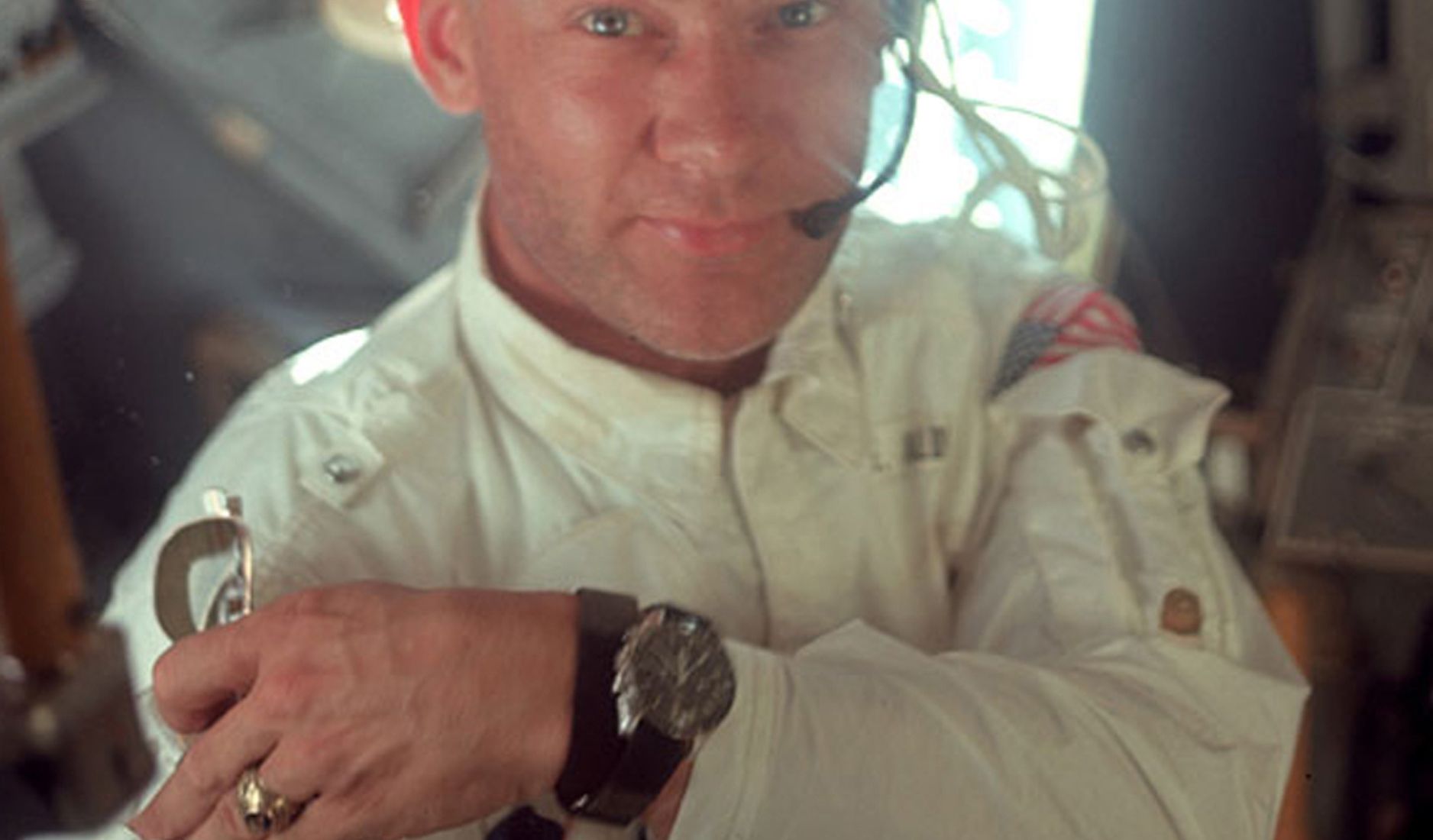
In 1968, Speedmaster Professional ref. ST 145.022 was given a brand-new heart, the manual-wound Omega Calibre 861, and a year later Neil Armstrong and Buzz Aldrin wore it to set their feet on the moon with the iconic Apollo 11. The year the watch gained its instant iconic status. To top it all off, it was about the same time the Russian Space programme did the same; they chose the Speedmaster Professional as their official watch for their astronauts. Now you can’t beat that kind of independent recognition! It officially gained the most famous iconic moniker, the “Moonwatch”.
In 1969, Speedmaster underwent a redesign, resulting in the futuristic tonneau-shaped case referred to as a “Pilot’s Line”, Mark II. It was sleek and totally of the time. And in 1973, celebrating Omega's 125th Anniversary, the Speedmaster 125 was introduced for the auspicious occasion, and also debuted the first automatic Chronograph in the world, the Calibre 1041 and certified as Chronometer, and this time, the watch is in a rather solid and robust pincushion case with a round dial.
As we entered the quartz era of the 70s, the mechanical Speedmaster went into hibernation, and it wasn’t until 1997 that we saw the revival of the Speedmaster Professional. The design and aesthetics went back to the 1968 model, and this time it has a new Calibre 1861, which was based on the Calibre 861.
It wasn’t until 2013 that the Speedmaster entered the current era with a new Chronograph watch, the Speedmaster 57 and the “Dark Side of the Moon” which was an all-black aesthetic. With a slight tweak of the aesthetics, instead of tri-compax sub-dials of the Speedmaster Professional series, it has a bi-compax sub-dial layout, thus expanding the Speedmaster’s family. The watch is powered by the latest Omega innovation, an in-house exclusive, the Co-Axial calibre 9300/93001
In 2020, Omega launched the Speedmaster Moonwatch Calibre 321 a special limited edition, which, of course, took off like the rarest unicorn on the market, but of course the escapement components were made of silicon, the latest high-tech material. It was instantly touted as the ultimate Speedmaster. And in 2021, the Speedmaster Moonwatch Professional debuted the new Calibre 3861, which features all the latest technology can offer: a Co-Axial escapement with a silicon balance spring and METAS certification. And to add a little touch of nostalgia, you have a choice of either sapphire crystal or the original Hesalite according to your taste. Everything you expected and wanted in a Chronograph watch, to warrant a smooth and long ride through your sophisticated and sporty life.
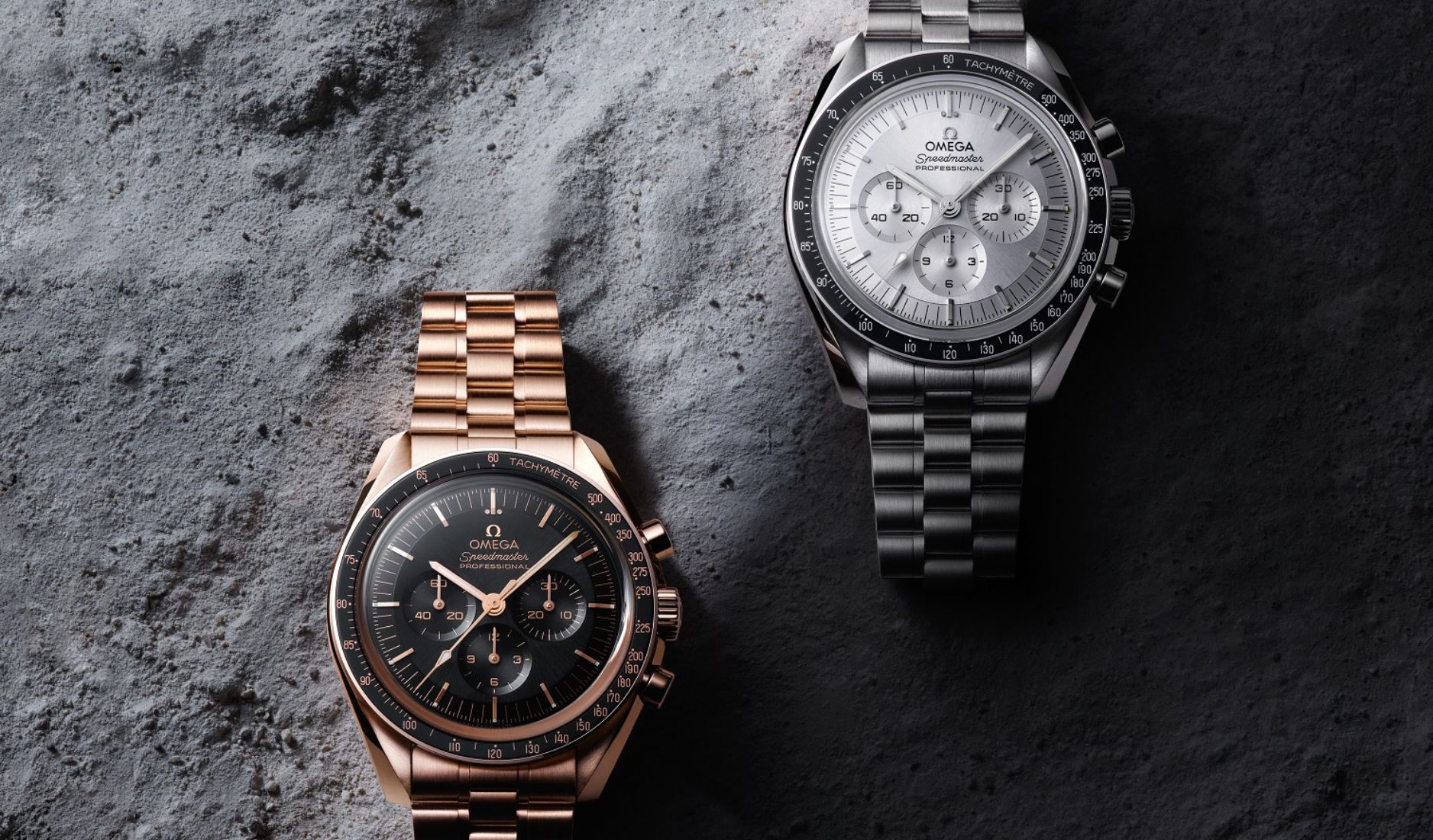
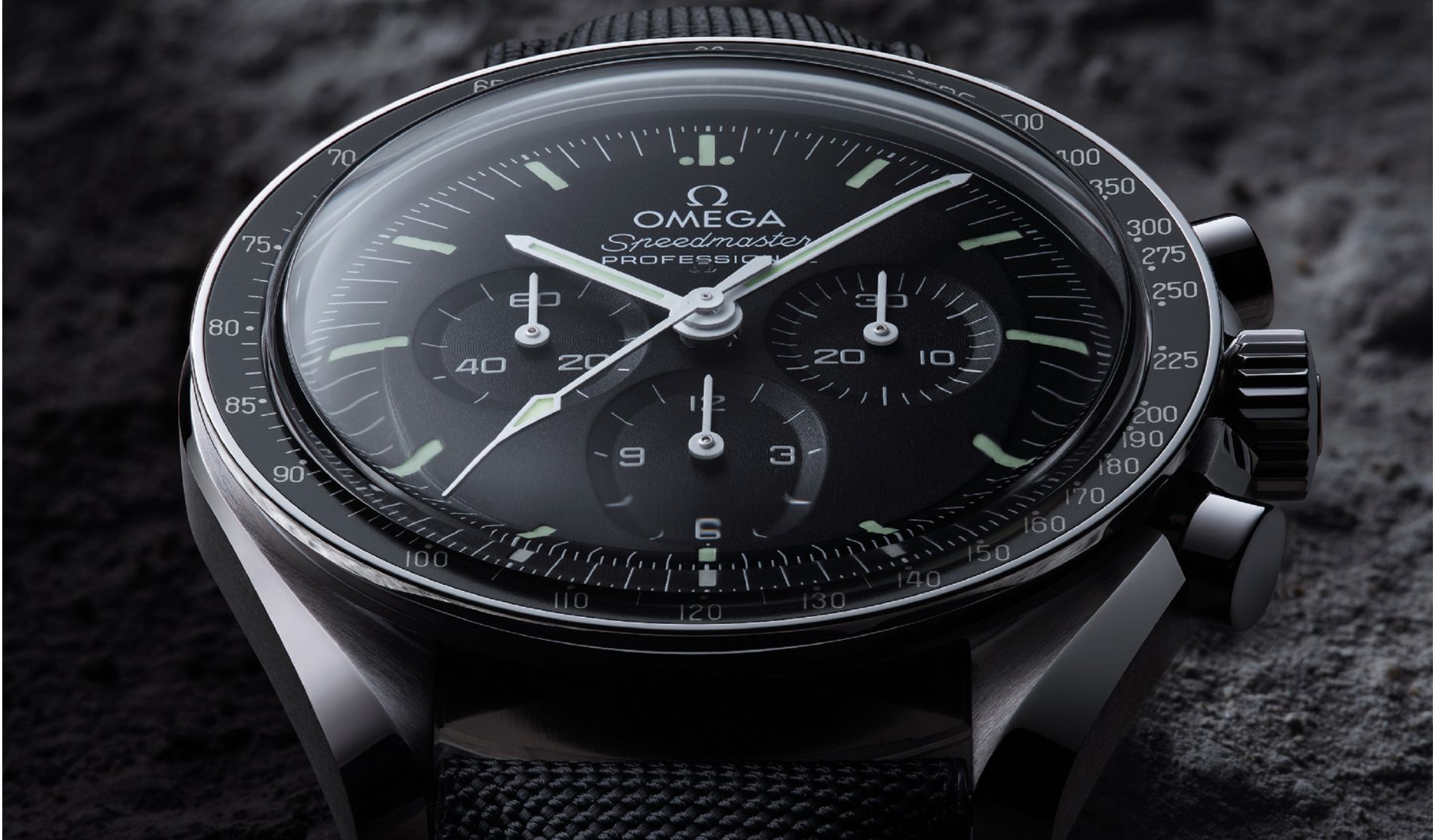
There we have the full bloom of the Speedmaster Moonwatch Professional series from its first inception to the latest rendition available so far. Watch this space, as there is more to come on our favourite Omega Speedmaster Moonwatch, as the possibilities are infinite, just like space, and it is raring to go where the astronauts are willing to take it; let's just say, it’s in the DNA.
Somehow, this is merely to pave the way for 2027, when the series celebrates its 70th anniversary, when they will unleash a new and spectacular timepiece to honour the space icon.
{youtubesub)
