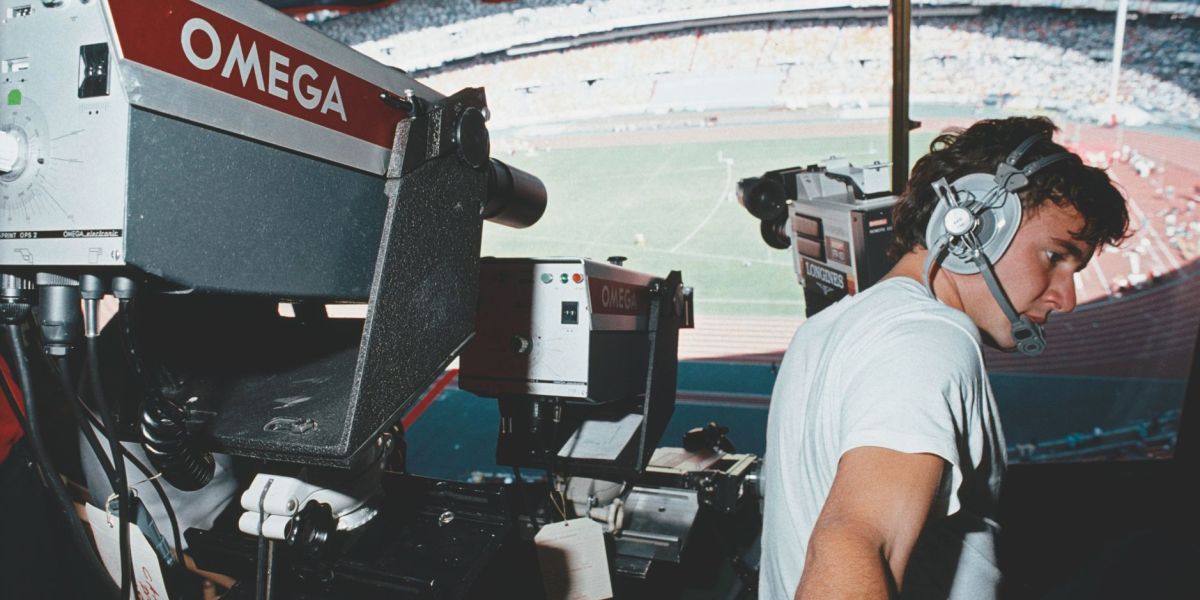

Alain Zobrist, CEO of Swiss Timing Ltd shares their innovations and the preparation for Paris Olympic 2024 and Omega the Official Timekeeper
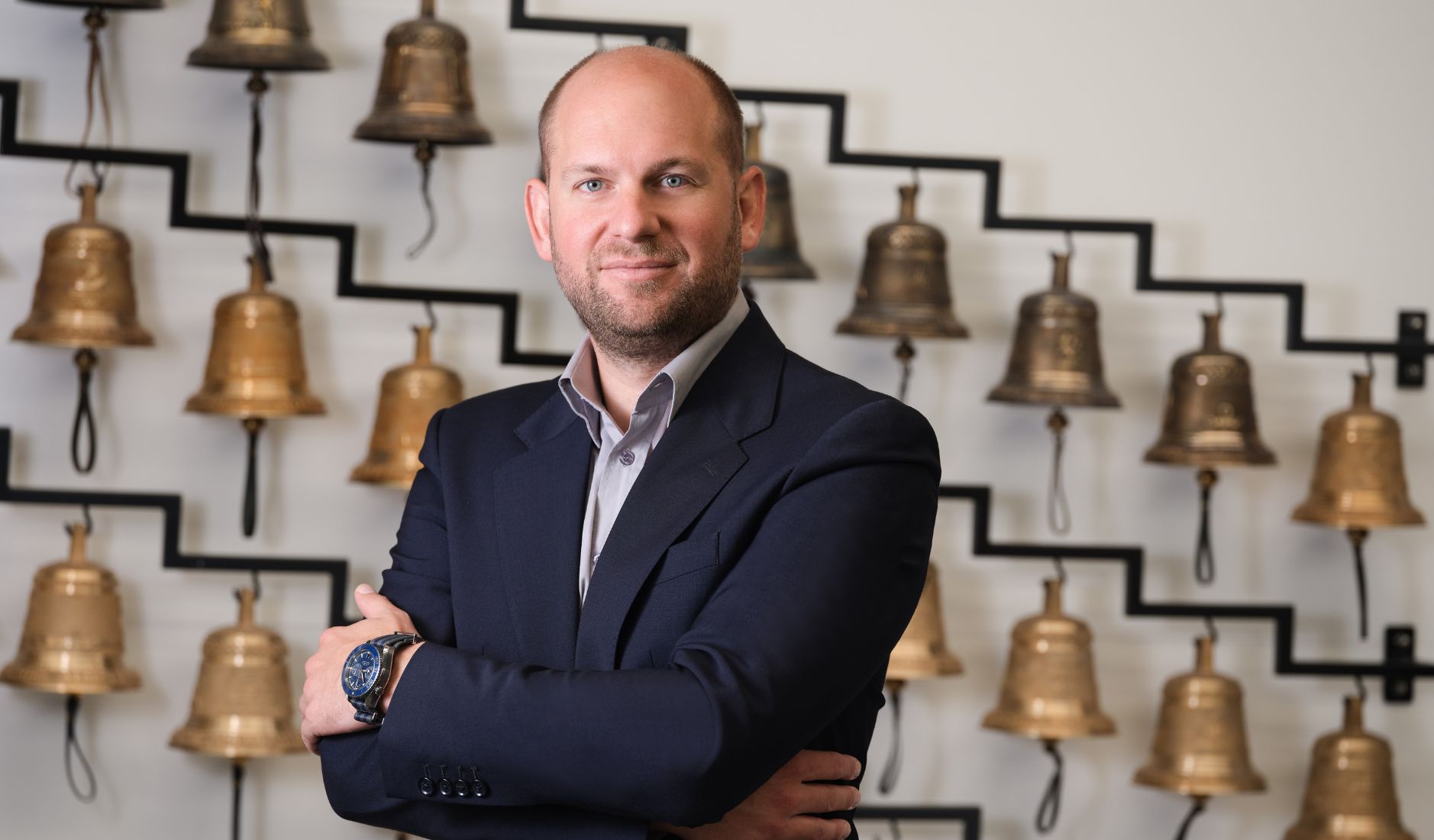
With the Olympic 2024 in Paris happening just in a matter of days, Crown Malaysia managed to grab hold of Alain Zobrist, CEO of the Swiss Timing Ltd, part of Omega, for a brief on the role they play in the world of sports and highlight some of their innovations which are often resulted in unforeseen circumstances which trigger the need for a solution. And what needs to be done leading up to the Olympics itself. But could never extensively delft into the breadth of Swiss Timing Ltd fully, but we can only manage to get the gist of what they do.

There was one incident in the Swimming events in the 1960s that changed a lot of things. The freestyle 100m swimming at the Olympics, where the swimmers finished at the same time. 3 judges were measuring the time per swimmer, and the average of the three will be the official time of the swimmer. Two of the athletes have the same average finished time. The head judge decided to award the Olympic Record to one, and the Olympic Gold medal to the other, as there can only be one Gold Medalist. That was a big controversy there. Omega was contacted by the International Swimming Federation after the incident, and they asked us to develop a technology that would eliminate that kind of controversy in the future.
In 1967, for the very first time at the Olympics, Omega launched its first swimming pads. For the first time a swimming event where the athlete could stop the time by themselves. That was then the mark where the manual timekeeping changed to electronic timekeeping.
In many instances in sports where you have that element of human error. Technology will eliminate those errors, and even today you still have innovations in technology that will eliminate those errors.
There were times when it took two hours to develop the film. You have to wait for two hours for the results. Today it’s still manually operated, but with digital photofinish, it is almost instant, and still a very important device for deployment. From 2 hours of waiting to instant judging of finished time, that’s how technology evolved

Omega was also the first company to show data on TV. In 1961 at the Alpine skiing event where the time was shown on Screen. Today you can see graphics everywhere.
As recently as 2018 we started deploying movement sensors in positioning systems in many different sports. They allow us to have a very detailed understanding of the athletes’ performance between the start and the finish. The data generated will allow us to have a very detailed understanding of the athlete’s performance whereby it shows where the athlete won or lost the race. And also compare performances with between athletes. If the athlete or coaches are interested in the data of course we will provide them, and also further share to the state holders.
For the Olympics in Paris, we have started preparing for it 3 years ago. The team will be on-site full-time in Paris, and we also have a team in Milan and Cortina preparing for the Winter Olympics 2026. This team works closely with the organising committee and the IOC to get ready for the Winter Games. The team is involved in building stadiums to make sure that we have a storage place, we have power, how the cable pathways are built, and everything we need in the stadiums, it’s a big logistic endeavour. In Paris, we will have 550 timekeepers, deploying roughly 360 tonnes of equipment. It is a huge operation.
We started with a test of all the sports events. They are tested in their real environment in the stadium where the games will happen, and we are now with the last wave of tests. They started three months ago and will last until the end of June when we test the last sports and to be ready for the Games.
We face challenges all the time. Different venue, different country, different culture, different climate, different weather and so on and so forth, but we have a lot of experiences from all out the games from all over the globe as Official Timekeeper. We learnt to adapt really fast. It’s who we are and out job.
We say that we are timekeepers but we actually do a lot more. Not only measuring time, yes time is the major port of it, but we also measure all the results of all the athlete participating, their scores, their judgments, their physical stats and so forth. We also measure their performances from start to finish, sensors, computer visions, and artificial intelligence are integrated into the equipment we deploy. Then we have specific sports data handling systems, all the data we generate, we make sure they are treated, formatted and distributed in real-time. We also provide the service to the broadcasters, and every single graphic that you see on screen is also provided by us. It’s a full end-to-end service of delivery.
We provide service to roughly about 500 events per year. We have solutions for over 100 different sports, not all of them being Olympic sports, that’s what we do. We have the team to develop technology, deploying these technologies on the ground, providing different sports at different events, world championships, continental championships, world cups, motorsports, and many other different events.
Every sport needs a specific equipment set up as they all have different sets of rules. Now our timers have atomic clocks, they measure up to 1/millionth second with a deviation of 23 nanoseconds every 24 hours. They are calibrated to the sport’s needs, like for example swimming where they need to calibrate 1/100th seconds, cycling is 1/1000th second, and triathlon in seconds. It depends on the sport’s needs.

