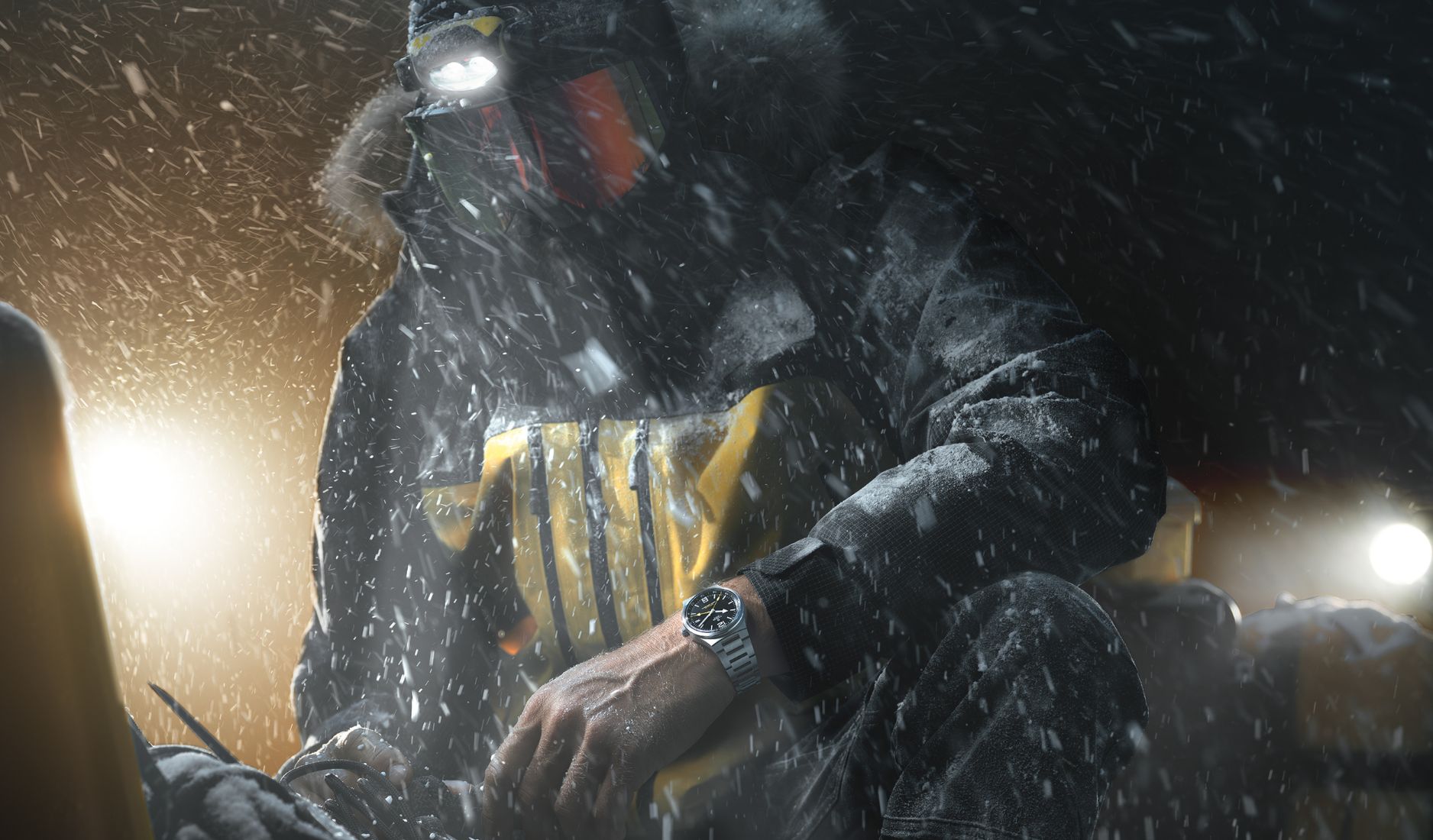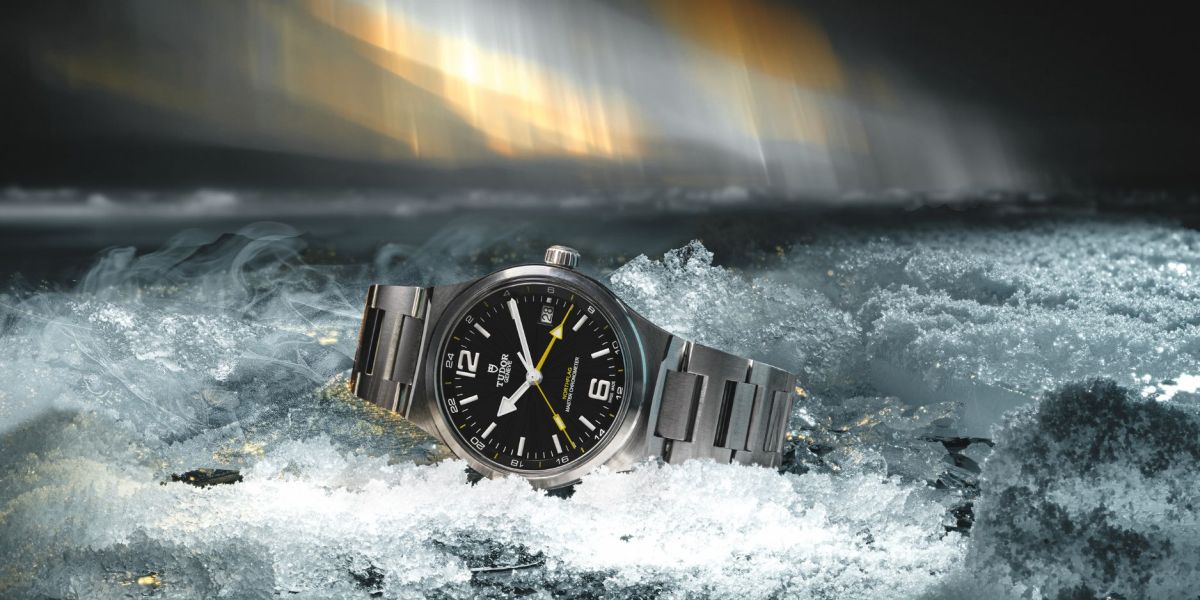

An unconventional favourite returns with a GMT complication, integrated bracelet and upgraded movement, more than a decade after its debut
Before integrated-bracelet sports watches became fashionable again, Tudor had the Northflag. Launched in 2015, it was a departure from the brand’s vintage-inspired designs and marked another first: the debut of its in-house manufacture movement. Then it disappeared from the collection. Now it is back, this time with a GMT complication and METAS Master Chronometer certification.
The second-generation Northflag takes its cues from the 1973 Ranger II, particularly its integrated bracelet and angular case geometry. The 40mm stainless steel case measures 12.7mm thick and 48.8mm lug-to-lug, with satin-brushed surfaces and polished chamfers.
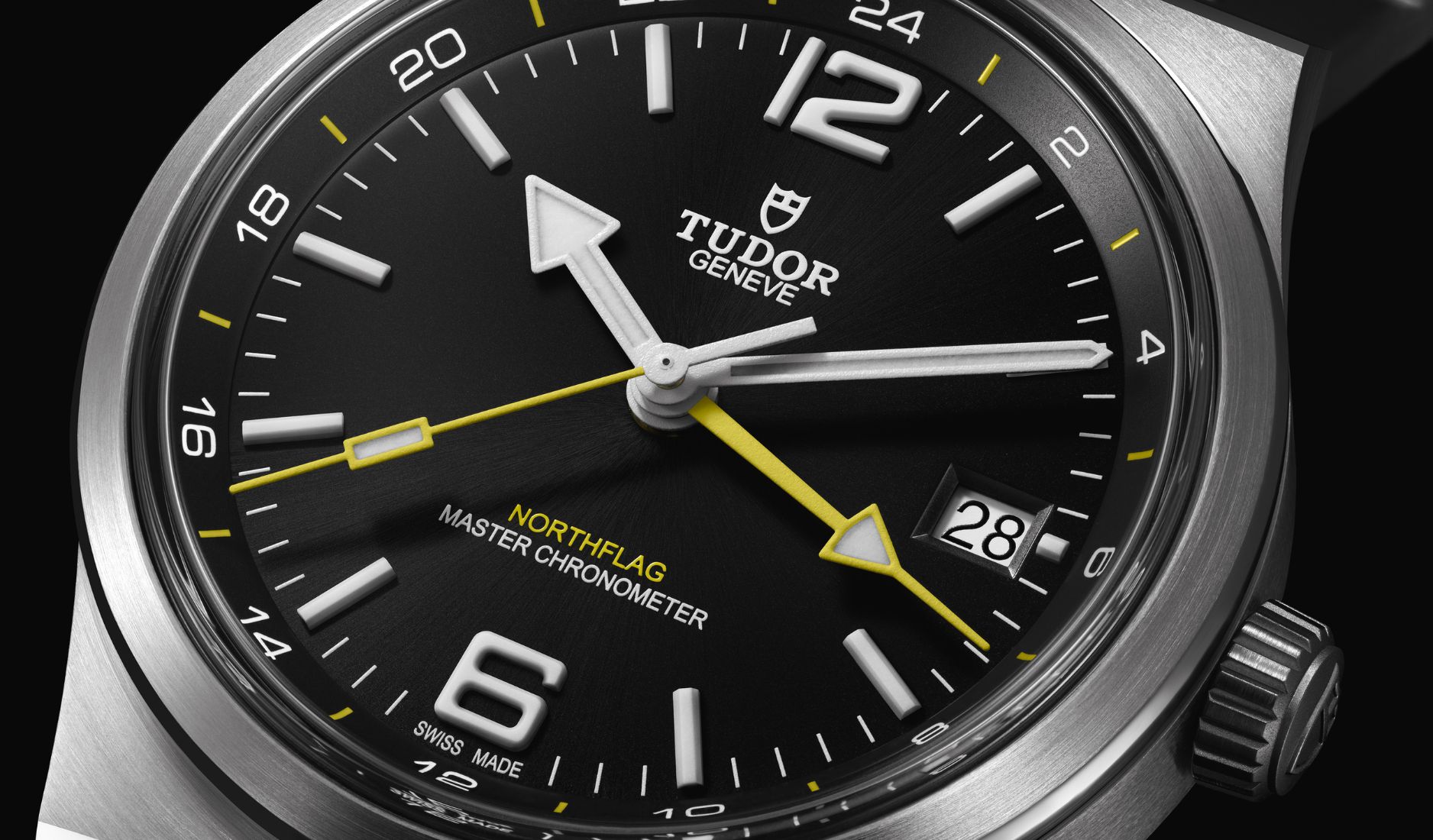
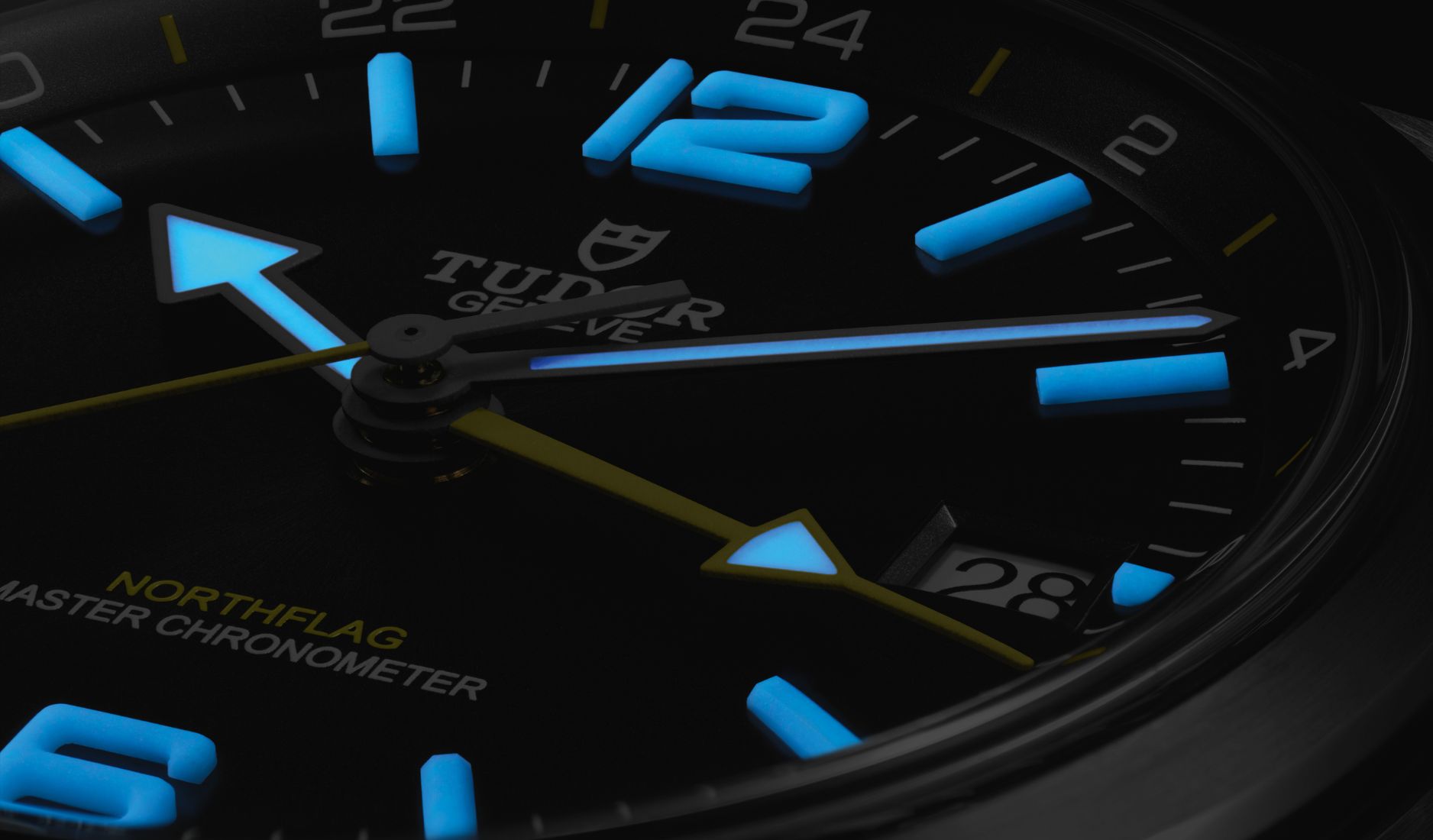
The black dial retains the oversized Arabic numerals and angular hands, now complemented by luminous ceramic hour markers and a 24-hour scale on a sloping inner flange. Yellow accents distinguish the GMT and seconds hands, maintaining the original’s industrial aesthetic.
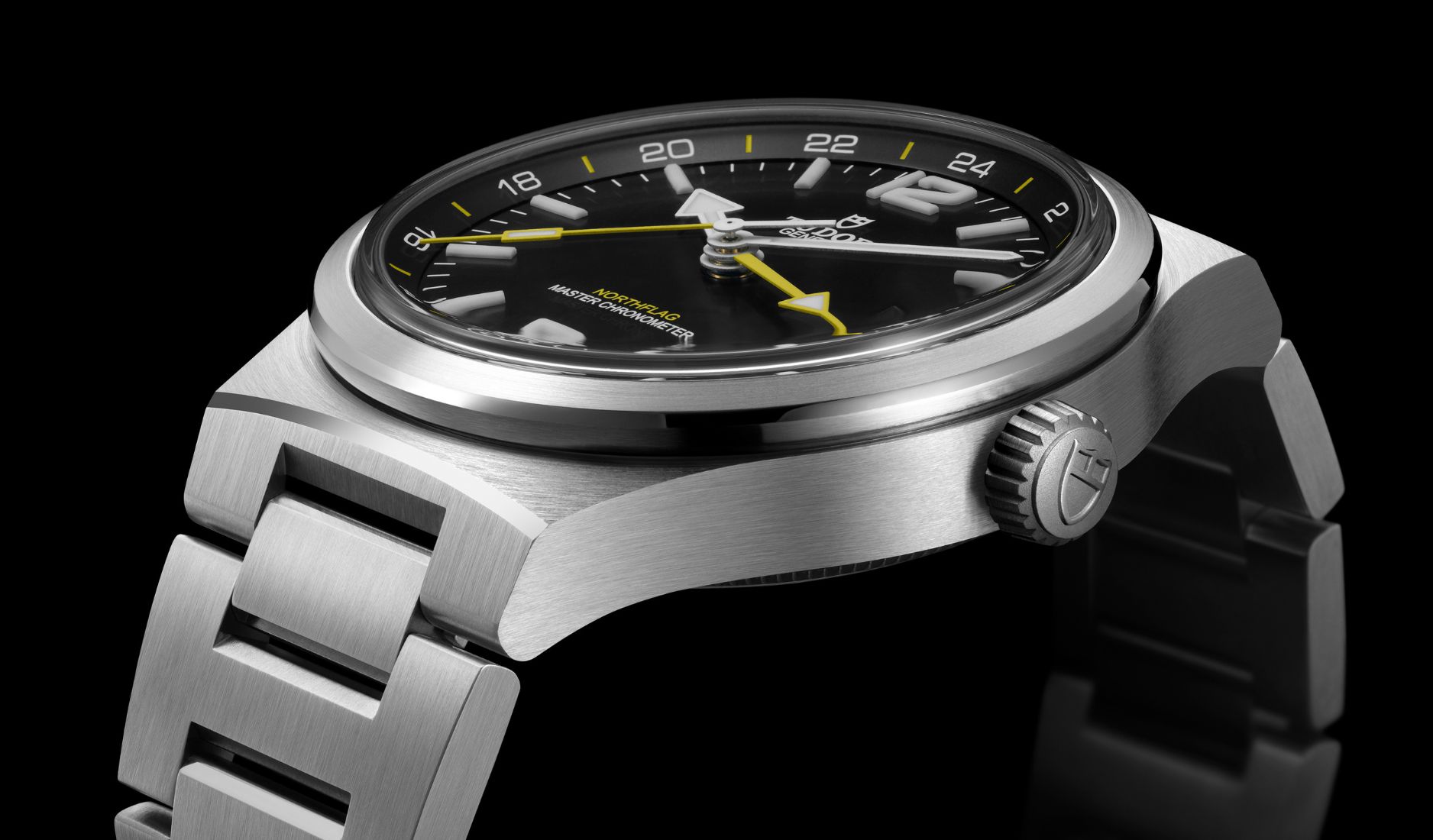
Inside is the manufacture calibre MT5652-U, an automatic GMT movement with a silicon balance spring, 4Hz frequency and 65-hour power reserve. The GMT mechanism is integrated into the movement architecture rather than added as a separate module.
Beyond COSC chronometer certification, the Northflag meets the more demanding METAS Master Chronometer standard, which tests the assembled watch for accuracy of 0 to +5 seconds per day, magnetic resistance up to 15,000 gauss, water resistance and power reserve.
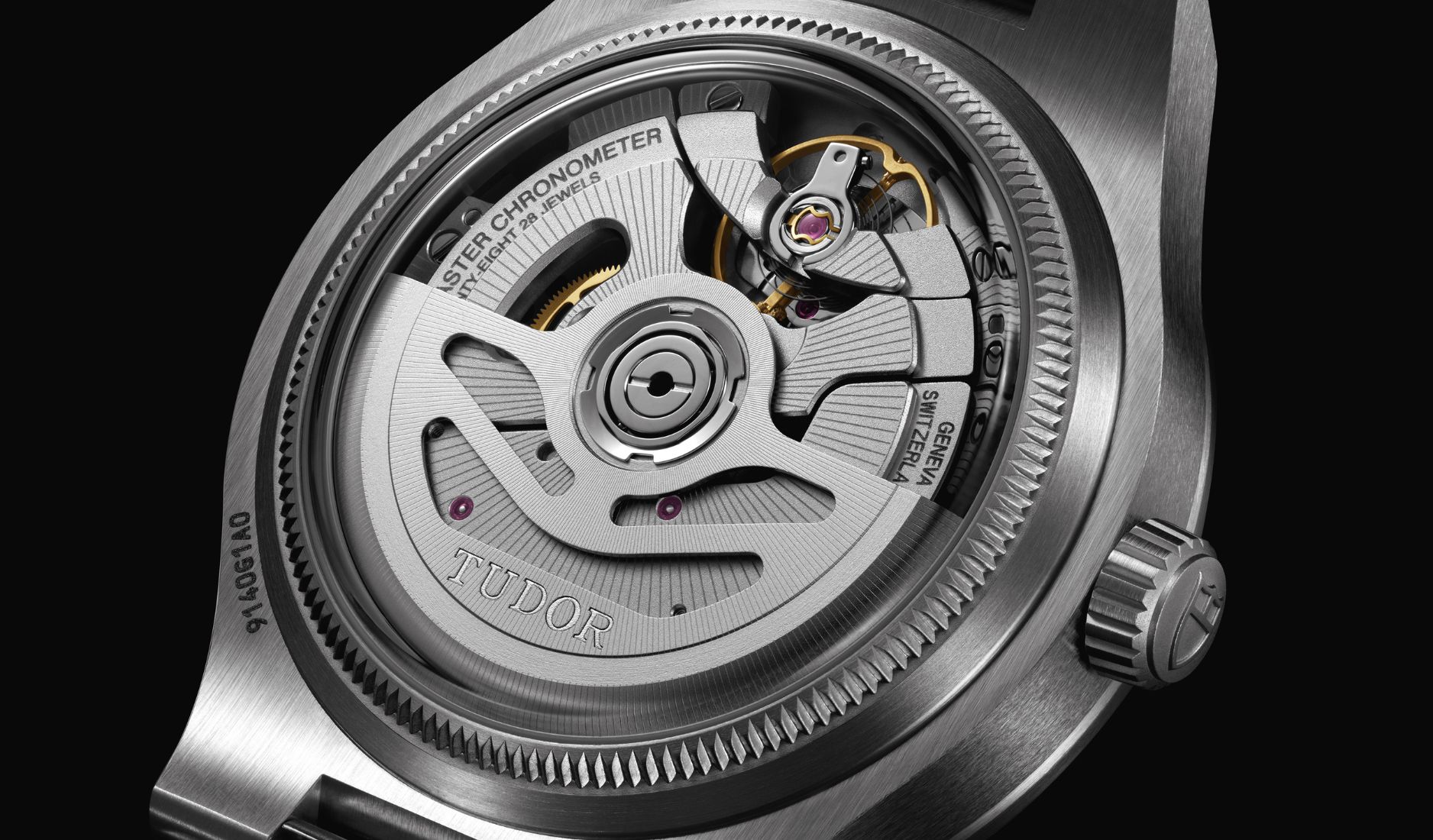
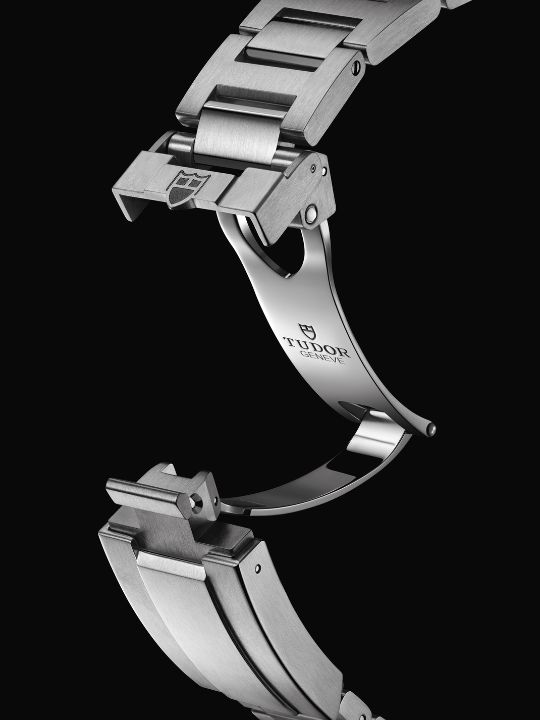
The integrated two-link steel bracelet features Tudor’s T-fit clasp, allowing five positions of tool-free adjustment over an 8mm range. A sapphire exhibition caseback, another feature of the 2015 original, reveals the movement and its openworked tungsten rotor.
The Northflag’s name references the British North Greenland Expedition of the 1950s, when Tudor watches accompanied explorers through two years of Arctic conditions. The addition of a 24-hour hand also has a practical connection to that history, allowing wearers to distinguish day from night in regions experiencing prolonged polar daylight or darkness.
The original Northflag arrived well before the recent enthusiasm for integrated-bracelet sports watches. Its return gives Tudor a contemporary counterpoint to the vintage-led Black Bay collection, while restoring one of the more distinctive designs in its modern catalogue.